

Building Confidence Through Practice
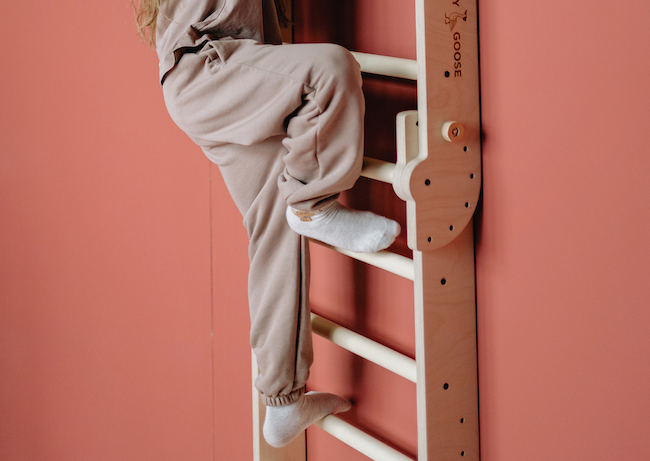
Next time you're at a new playground you've never visited before, watch your child and you'll most likely notice the same quiet sequence unfold. Some children will race straight towards the tallest climbing frame as though they've been there a hundred times already, others linger at the edge, watching carefully while they work out where everything leads. They notice which ropes wobble, how other children climb across the bridge, whether the slide looks steeper than it did from the car. Adults sometimes mistake that hesitation for a lack of confidence, but they're not the same thing. Hesitation is often just observation in disguise.
Children spend an extraordinary amount of time learning how the world works before they decide how they fit within it. It's funny, confidence has a curious reputation and is treated almost like something a child either possesses or doesn't, as though it arrives fully formed alongside personality. One child is labelled adventurous, another shy. One is described as naturally confident, another as needing to come out of their shell. Those descriptions can become surprisingly permanent, even though childhood itself is anything but permanent. If anything, confidence is far less fixed than we imagine.
Think about the things that feel effortless now but once required complete concentration. Reading. Driving a car. Cooking a meal without checking the recipe every few minutes. Very few adults would describe themselves as confident before they'd practised those skills. Confidence came afterwards, almost unnoticed, arriving somewhere between repetition and familiarity. Children are living through that same process every single day, only their firsts are happening far more often.
A child pours their own drink and spills half of it onto the bench, the toast lands butter-side down on the floor after they'd insisted on carrying it themselves, shoes end up on the wrong feet. Buttons refuse to line up, paint colours become muddy brown instead of the rainbow they had imagined. Adults are usually standing close enough to prevent those little failures from happening altogether, and sometimes it's difficult to resist stepping in because helping is quicker. The morning runs more smoothly. The floor stays cleaner. Everyone leaves the house on time. The difficulty is that competence is almost always built inside those untidy attempts.
Practice rarely looks impressive while it's happening. It is repetitive and frustrating and surprisingly ordinary. It asks children to return to the same challenge again and again without any guarantee that today will be the day everything suddenly clicks. Yet almost every meaningful skill begins exactly there, in the awkward space between not knowing and eventually knowing so well that the effort is forgotten.
There is something beautifully unremarkable about the way children practise when nobody interrupts them. They don't usually set out to build resilience or perseverance. They simply keep trying because the activity itself holds their attention. A child determined to balance along a fallen log doesn't count how many times they step off. They climb back on because they're interested in what it feels like to stay there a little longer than they managed yesterday.
Adults tend to notice the moment confidence appears.
Children are living through all the moments before it.
Perhaps that's why confidence can be so easy to misunderstand. What looks like bravery is often familiarity. What looks like natural talent is often the quiet accumulation of dozens, sometimes hundreds, of small attempts that nobody remembers because none of them were particularly remarkable on their own.
Instead of asking whether they're confident, you begin noticing what they're practising. You see the child who always orders their own babyccino now happily asking the librarian where to find a favourite book. The one who used to cling tightly at birthday parties is halfway across the garden inventing games with children they've only just met. The toddler who insisted they couldn't climb the ladder last month reaches the top without pausing, then immediately looks around for the next thing to explore. None of those moments happened overnight, although they often feel that way when we look back, the thing is confidence had been growing long before anyone gave it a name.
Perhaps that's why it deserves a little more patience than it often receives. It isn't something that can be handed to children through praise alone, nor is it built by protecting them from every uncomfortable experience. It grows almost invisibly through repetition, through opportunities to try again, and through the quiet reassurance that not getting something right the first time isn't evidence that they can't do it. It's simply evidence that they're still in the middle of learning. Exactly the same as our adult brains often work; by the time a child believes, I can do this, they've usually whispered I'm not sure I can to themselves many times before. The practice came first. The confidence simply arrived one ordinary day, so gradually that neither of you noticed exactly when it happened.