

What Nobody Tells You About Maternal Growth
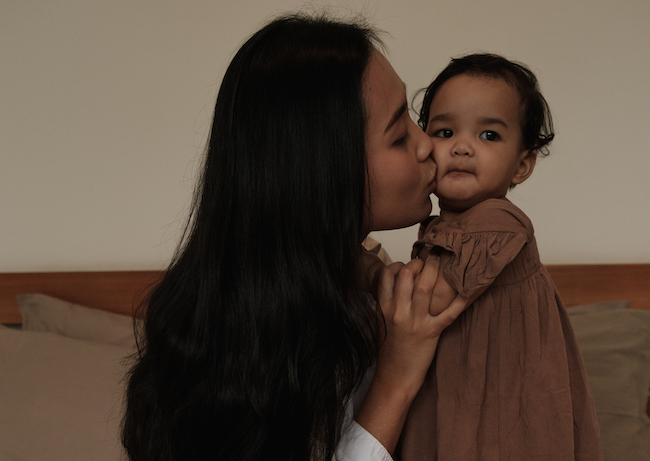
Before entering motherhood, most women expect their lives to change and have certain preconceived ideas about what these changes might be or look like. For example, they know sleep will look different, priorities will shift and routines will be turned upside down. They expect to watch a tiny person grow into a child, and eventually into someone who belongs to the world a little more than they belong to home. What tends to come as more of a surprise is that this process isn't happening to one person. While children are busy becoming themselves, mothers are quietly becoming someone new as well.
The difference is that childhood growth is easy to see; there are visible and tangible milestones when a child learns to walk, loses a first tooth, starts school, grows taller almost overnight. There are photographs and celebrations to remind everyone how much has changed. On the flipside, maternal growth is much less obvious. It happens internally, often without anyone noticing, and certainly without anyone stopping to acknowledge it. Years can pass before a woman realises that the person she was before children feels strangely unfamiliar, not because she disappeared, but because life has gently reshaped her in ways she never anticipated.
There is a tendency to speak about motherhood as though it begins on the day a baby is born, as though becoming a mother is something that happens in a single moment. In reality, it feels more like an ongoing process of becoming. Every stage of a child's life quietly asks something different of the person raising them. Just as one season begins to feel familiar, another arrives, bringing new questions, different challenges and another opportunity to discover parts of yourself that had remained hidden until now. Which to be honest isn't always comfortable.
Much has been written about children learning emotional regulation, resilience and empathy, but far less is said about how often mothers are learning those same things alongside them. There are days when a child's frustration brushes against old wounds that have nothing to do with spilled milk or forgotten shoes. There are moments when exhaustion strips away the version of ourselves we like to believe is always patient and calm, revealing habits, fears or patterns that have travelled quietly through generations.
Motherhood has an uncanny way of holding up a mirror, not in a cruel way, and not because it expects perfection, but because caring so deeply about another person makes it difficult to keep looking away from ourselves. A child asks for comfort, and suddenly we're reminded of the ways comfort was offered, or withheld, in our own childhood. They experience disappointment, and we notice our instinct to fix it immediately instead of allowing them to move through it. They become angry, and we realise we were never really shown what healthy anger looked like.
None of these moments arrive carrying a label that says, this is growth. Most of the time they simply feel like difficult days.
Perhaps that's why maternal growth is so often overlooked. It doesn't feel inspirational while it's happening. It feels like apologising after speaking more sharply than intended. It feels like recognising an old pattern halfway through a conversation and making the difficult choice to respond differently. It feels like letting go of an expectation that was never serving your family in the first place. From the outside, nothing particularly remarkable has happened. The washing still needs folding. Dinner still needs making. Tomorrow will probably look much like today. But behind the scenes, internally something has shifted.
The changes that shape mothers most profoundly are rarely dramatic enough to announce themselves. They gather quietly over years, almost unnoticed, until one day there is enough distance to look back and recognise how differently life is being carried. A situation that would once have created panic now feels manageable. A comment that once would have lingered for days is allowed to pass. The need to have all the answers slowly gives way to something steadier; a willingness to learn, to listen, and to accept that uncertainty is part of raising children well.
It's interesting that we often talk about giving children space to grow, while expecting mothers to somehow arrive fully formed. Advice is offered as though there is a correct version of motherhood waiting to be discovered if only the right books are read or the right routines are followed. But growth doesn't really work like that. It isn't something that can be hurried or perfected, and it certainly doesn't move in a straight line. Some seasons leave a woman feeling deeply confident in herself. Others gently unravel that confidence before rebuilding it in a stronger, quieter way.
There is also grief woven through maternal growth, although it is rarely spoken about. Not grief in the sense of loss alone, but in the continual letting go that motherhood asks of us. The version of ourselves who had endless time. The certainty we once carried. The illusion that love means always knowing the right thing to do. Even as children grow, mothers are constantly releasing old identities to make room for new ones, often without pausing long enough to notice that this, too, is part of becoming.
Perhaps the most surprising part is that none of this growth happens away from ordinary life. It isn't found during a weekend retreat or after reading one life-changing book. It unfolds while packing lunchboxes before sunrise, sitting beside a child who can't sleep, driving to swimming lessons, folding tiny socks, answering impossible questions and trying again after the kind of day that leaves everyone feeling tired. The transformation is so deeply woven into everyday life that it can almost disappear beneath the routines.
Years later, children may remember bedtime stories, family holidays or pancakes on Sunday mornings. Mothers, though, often remember something else entirely. They remember who they became while all of those ordinary moments were unfolding. Not a perfect version of themselves, and not someone who finally figured everything out, but someone who learnt to hold more than she ever thought possible. More patience on some days, more humility on others, more compassion for herself than she once believed she deserved.
Nobody really tells you that this is happening while you're busy watching your children grow. Perhaps that's because maternal growth doesn't demand attention in the way childhood does. It asks only for time. Looking back, many mothers come to realise that the greatest transformation wasn't simply that they raised a child. It was that, almost without noticing, motherhood had been raising them too.