

8 Little Rituals That Can Become Family Memories
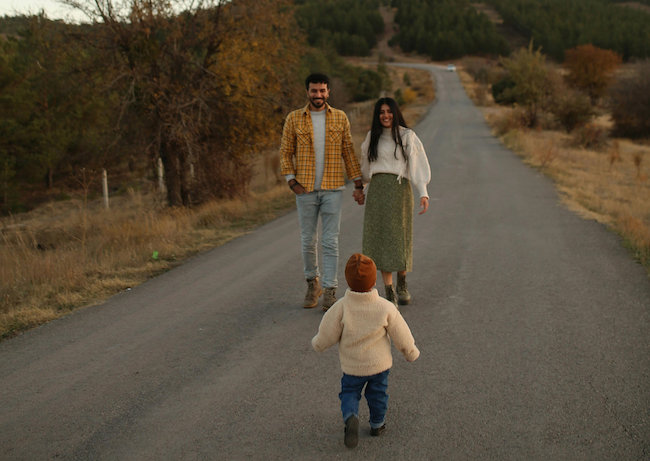
Ask an adult about the things they remember most clearly from childhood and the answer is rarely a list of the expensive holidays or carefully planned activities their parents organised. More often, it is something much smaller: pancakes on Saturday mornings, the way everyone piled onto the sofa to watch the same movie, walking to the bakery on a Sunday, being allowed to stay up a little later in summer, or a particular song that always seemed to play while dinner was being made. The things children remember about family life are often much smaller than the things adults imagine they will remember.
Family rituals have a funny way of becoming part of the emotional landscape of childhood without anyone deliberately deciding that they will be important. They are repeated often enough to become familiar, but they don't need to be elaborate or particularly meaningful at the time. A child simply experiences them as part of what their family does, and years later, those ordinary patterns can carry an extraordinary amount of feeling.
The lovely thing about creating family rituals is that they don't require a beautifully organised family life. In fact, the best ones often grow out of whatever a family is already doing. A particular meal on Friday night, a walk after breakfast, reading together before bed or stopping for hot chocolate after swimming can become something children begin to anticipate. The repetition gives the day a shape and gives everyone something familiar to return to, especially during busy stretches when life can otherwise feel as though it is moving from one appointment to the next.
1. The Friday night family dinner
Friday dinner can become the meal everyone knows belongs to the whole family. It might be homemade pizza where everyone chooses their toppings, tacos assembled at the table, a favourite pasta dish or whatever meal happens to work for your household. The food itself matters less than the repetition and the feeling that this particular meal is something you do together at the end of the week. Children often love having a small role in rituals like this, too. One might grate the cheese, another might set the table, and someone else can choose the music. As they grow, those little jobs can change with them, which means the ritual stays familiar while the children themselves become increasingly involved in creating it.
2. A Saturday morning walk
A weekend walk doesn't need to be a hike or an organised family outing. It could be a wander around the neighbourhood, a trip to the local park or a walk to get something for breakfast. The important part is making it something the family naturally returns to, rather than another item to add to an already full weekend schedule. Children notice repetition in ways adults sometimes underestimate. They know which tree you pass first, where the ducks usually gather and which shop has the dog that always sits near the door. Years later, it may be those details they remember, rather than how far everyone walked.
3. The birthday interview
Instead of only taking photographs each year, try asking the same handful of questions on every birthday and recording the answers. What is your favourite food right now? Who is your best friend? What makes you laugh? What do you want to learn this year? What is something you are really good at? The answers will change dramatically over time, which is part of what makes this ritual so special. A four-year-old might have very definite opinions about dinosaurs and strawberries, while a ten-year-old may have an elaborate plan for becoming a professional athlete. Keeping the answers somewhere safe gives the family a little record of how everyone has changed, including the things that once seemed important and have since been forgotten.
4. Sunday night pancakes
There is something wonderfully predictable about having a food that belongs to a particular morning or evening. Sunday night pancakes could become a family tradition, particularly if the children are old enough to help make the batter and choose their toppings. It doesn't have to be pancakes, of course. It could be homemade waffles, banana bread, a big bowl of popcorn for a family film or a particular dessert that only appears once a week. Giving an ordinary food its own place in the family calendar can turn it into something children look forward to, and eventually the smell or taste of it can become tangled up with memories of home.
5. A special way to mark the seasons
Families can create rituals around the changing seasons without turning them into elaborate traditions. The first warm evening might mean eating dinner outside, autumn could involve collecting leaves for the table, winter might bring a particular soup and a family movie, while spring could mean planting flowers together. These little markers help children notice the passage of time. They also give the year its own rhythm, which can be especially lovely in childhood when months and seasons can feel enormous and far apart. A ritual that comes around every year becomes something they can anticipate, even when the details change.
6. The bedtime question
Bedtime conversations often become some of the most memorable because children are naturally more inclined to talk when the house has slowed down and they are tucked beneath the covers. Rather than asking the same broad questions every night, a family might develop one question that becomes part of the routine: What was the funniest part of today? What are you looking forward to tomorrow? Did anything surprise you?
As children get older, the questions can evolve with them. What begins as a way of hearing about their day can eventually become a much more meaningful space for conversation, particularly when children know they have a predictable moment when they can talk without needing to compete with everything else happening around them.
7. A family playlist
Music can attach itself incredibly strongly to memories, which makes a shared family playlist a surprisingly lovely ritual. Add songs that everyone enjoys, play it while cooking dinner or driving somewhere together, and allow children to contribute as they get older.
Eventually, particular songs can transport everyone back to a certain period of family life. A song might remind someone of a particular summer, a long car journey, a phase when everyone was obsessed with the same artist or years of Saturday morning cleaning while music played through the house. The playlist becomes a kind of soundtrack to childhood without anyone needing to manufacture the memories.
8. The little tradition that belongs only to your family
Perhaps the most meaningful ritual is one that wouldn't make much sense to anyone outside the family. It might be stopping at the same place for a treat after a yearly appointment, having a particular phrase that everyone says on road trips, making a special breakfast on the first day of school or taking a photograph in the same spot every year. These are the traditions children often become fiercely attached to because they feel like part of the family's own language. They don't need to be impressive, and they certainly don't need to be shared online. Their value comes from belonging to the people who understand why they matter.
Family rituals also have a way of surviving imperfect circumstances. The Friday dinner might happen at the kitchen bench one week because everyone is exhausted. The Saturday walk might become a ten-minute wander around the block because it is raining. Birthday questions might be forgotten one year and rediscovered the next. A ritual doesn't lose its meaning because it isn't carried out perfectly. What children tend to remember is the feeling of something happening again and again, year after year, until it becomes woven into their understanding of family life. They know that Friday means pizza, that someone's birthday means the same funny questions, that the first warm evening means dinner outside and that certain songs belong to car trips together. These small repetitions give childhood a sense of continuity, and they can become touchstones that children carry with them long after they have stopped participating in them at home.
The beautiful part is that parents rarely know which ritual will become the memory. Something that feels completely insignificant now might be the thing an adult child remembers decades later, right down to the bowl it was served in or the sound of the kitchen while everyone was getting ready. That is perhaps why family traditions are worth creating without worrying too much about how meaningful they are supposed to be. The ordinary things, repeated with enough love and consistency, have a way of becoming meaningful all by themselves.