

What to Do When a Child Suddenly Changes Their Favourite Food
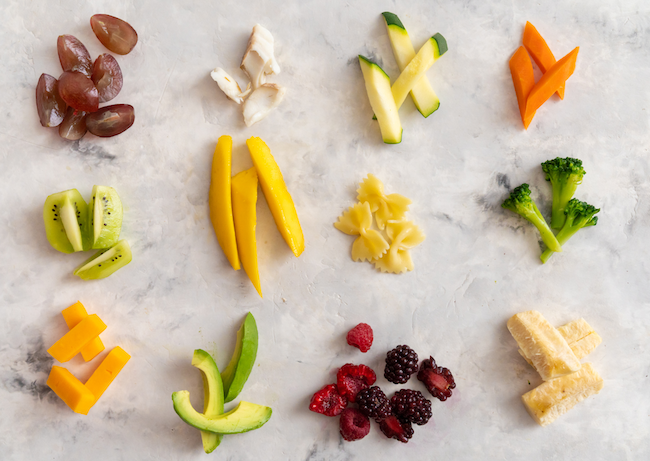
Yesterday, strawberries were the best thing that had ever happened to them. Today, the same strawberries are sitting untouched at the edge of the plate while your child looks at you as though you have personally betrayed them by serving their favourite food. It can happen with almost anything, from a beloved breakfast to the pasta they have eaten three nights in the same week, and the suddenness of it can leave parents wondering whether they should simply go along with the change or encourage them to eat something they previously loved.
Food preferences can move around quite a lot during childhood, and sometimes they seem to change for reasons that make very little sense to an adult. A child might suddenly decide they don't like bananas because they had one that was slightly too ripe, become suspicious of a food after seeing a friend refuse it, or simply reach a stage where they are becoming more aware of flavours, textures, smells and how foods feel in their mouth. Sometimes there isn't an obvious reason at all, and trying to find one can turn an ordinary change in preference into a much bigger issue than it needs to be.
The first thing to remember is that a favourite food isn't a lifelong commitment. Children are allowed to change their minds about what they like, just as adults do. Something they adored at four might become uninteresting at six and then reappear on the dinner plate at eight. Taste develops over time, and children are constantly having new experiences with food, which means their list of favourites is likely to keep changing as they grow.
This can be particularly noticeable when a food has become part of the family's routine. Perhaps you have been making porridge with berries every morning because your child used to love it, or you have relied on the same vegetable fritters for lunch because they were one of the few things they would happily eat. When that food suddenly gets rejected, it can feel like the rug has been pulled out from under a routine that was working perfectly well.
Rather than immediately replacing the food with something entirely different, it can be useful to keep it appearing occasionally alongside foods your child still enjoys. Familiarity matters, and a food disappearing completely from the table can make it feel more unfamiliar when it eventually returns. A small portion is enough, particularly if your child has made it clear they don't want it that day. They can decide whether they want to eat it, smell it, touch it or leave it alone.
There is also no need to make a dramatic announcement every time a favourite food falls out of favour. If your child suddenly says they hate avocado, you can acknowledge it and carry on. You might offer it again another week in a different form, perhaps mashed on toast or served alongside something they already enjoy, without turning the meal into a discussion about whether they used to like it.
Children can also be surprisingly specific about what they mean when they say they don't like something. Sometimes it isn't the food itself that has become the problem, but the way it has been prepared. A child who suddenly refuses cooked carrots may still happily eat raw carrot sticks. Someone who has gone off yoghurt might be perfectly happy with it blended into a smoothie. The texture, temperature, shape or combination with other foods can make a much bigger difference than parents realise.
Giving children some control over these details can take the pressure out of the situation. You might let them choose whether their fruit is cut into pieces or left whole, whether they want vegetables raw or cooked, or which of two familiar foods they would like alongside dinner. These small choices can help children become more aware of what they actually enjoy without making them responsible for deciding what the entire family eats.
It is also worth resisting the urge to treat every change in preference as a problem that needs to be solved immediately. Children can have phases where their diets become narrower, particularly during periods of growth, tiredness, illness or change. What matters is looking at their overall eating pattern rather than judging their diet by one lunch or one particularly disappointing dinner. If a child who normally eats a reasonable variety suddenly refuses one favourite food, there may be very little to worry about.
Mealtimes can become much more stressful when everyone is watching to see whether a child will eat. Parents are naturally concerned about whether their children are getting enough nourishment, and it can be difficult to remain relaxed when a plate comes back untouched. But repeated pressure, bargaining or pleading can make the emotional side of eating much bigger, especially when a child begins to feel that every meal has become a test they need to pass.
Keeping the atmosphere as matter-of-fact as possible can help. You can continue offering a range of foods, eat together when you can and allow your child to decide how much they want to eat from what has been served. If a once-loved food has suddenly become unpopular, it doesn't need to become a battle between the child who refuses it and the parent who remembers how much they used to enjoy it. And sometimes, after a few weeks or months, the food will make its way back.
A child who declared that they hated scrambled eggs may suddenly ask for them again. The berries they wouldn't touch all winter might become exciting when summer arrives. A vegetable that was rejected repeatedly might be accepted when it appears alongside a different meal or is prepared in a way they haven't tried before. Children's food preferences can be wonderfully unpredictable, which is one reason it can be helpful to leave the door open rather than deciding that a food is permanently off the menu.
If a child is dropping a large number of foods from their diet, consistently struggling with particular textures, becoming increasingly distressed around meals, losing weight, showing signs of nutritional deficiency or eating an extremely limited range of foods, that is different from simply changing their mind about a favourite. In those circumstances, it is worth speaking with your child's doctor or an appropriately qualified health professional for individual advice.
For the everyday food flip-flops, though, a little flexibility can go a long way. Your child doesn't need to remain loyal to the foods they loved last month, and you don't need to redesign the family menu every time their preferences change. Keep offering a variety of foods, give them opportunities to encounter familiar foods again and allow their tastes to develop without turning every change into a problem.
After all, childhood is a long process of discovering what you like, what you don't like and, perhaps most importantly, that those answers are allowed to change.