

The Emotional Reset After School
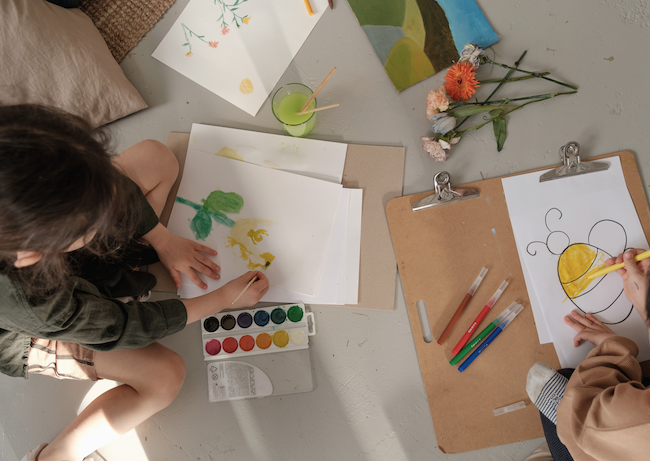
The moment children arrive home from school can feel unpredictable. Some days they come in talking, full of stories and energy, and other days they seem withdrawn, tired, or quick to react over small things. It is not always easy to know what they need in that moment, especially when the shift from school to home happens so quickly.
A full school day asks a lot of children, even when it appears manageable from the outside. Constant listening, social navigation, decision making, and emotional regulation happen beneath the surface. By the end of the day, their capacity is often stretched, which is why the after school window can feel a little unsettled, and typically what helps most here is not rushing that transition. So rather than moving straight into questions, tasks, or expectations, it can make a difference to allow a gentle pause between the structure of the day and the rhythm of home.
This space does not need to be long or carefully planned, but it does need to feel unpressured. When children sense that they can arrive home as they are, without needing to immediately explain or perform, their bodies begin to soften in their own time.
Food is also often the first piece of this reset. Hunger has a way of amplifying everything, and after a long day, children usually need something simple and familiar to help bring their energy back to a steadier place. A snack offered without urgency can quietly support both mood and regulation.
There are a few simple ways to support this part of the day so it feels calmer and more predictable:
Allow some downtime before introducing homework or structured activities
Offer a familiar snack and water soon after they arrive home
Keep conversation open but gentle, without needing immediate answers
Create a quieter environment by softening noise and stimulation
Encourage movement, especially outdoors, to help release built up energy
Respect their need for space if they seem withdrawn or tired
Stay close and available, even if you are not actively engaging
Notice emotional responses as signs of a full day rather than something to fix
Keep the overall flow of the afternoon consistent where possible
For many children, movement becomes an important part of letting go of the day. After hours of sitting still, focusing, and following instructions, the body often needs to stretch, run, or simply move freely without structure. Even a short period of physical play can shift their energy in a noticeable way.
At the same time, emotions may rise to the surface in ways that feel out of proportion. A small frustration can turn into tears, or a minor disagreement can escalate quickly. These moments are rarely just about what is happening in front of you. More often, they are the release of everything that has been held in throughout the day. Meeting this with calm can change the tone of the whole afternoon, when children feel that their emotions are safe, even when they are big or messy, they do not need to push them down or act them out in other ways. Over time, they begin to trust that home is a place where they can fully arrive, not just physically, but emotionally as well.
This transition does not need to be perfect to be effective. Some days will feel smooth, others less so. But when there is a consistent sense of space, connection, and softness built into this part of the day, children begin to move through it more easily. And slowly, almost without noticing, that after school moment becomes less of a challenge and more of a quiet return.