

Raising Adventurous Eaters
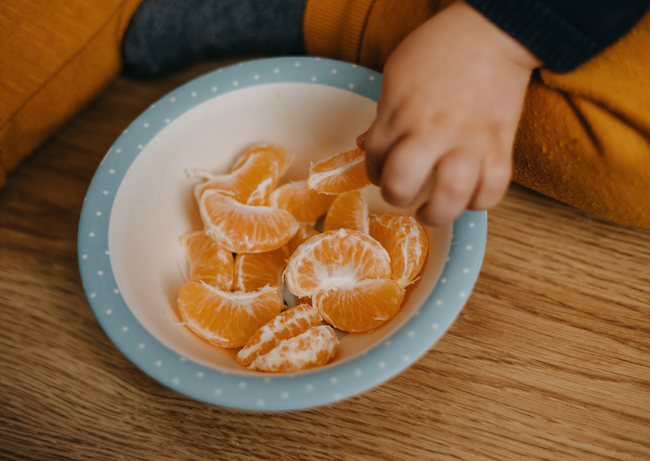
Food is one of the first ways children begin to explore the world, yet it is also an area where parents often feel the most pressure. There can be a quiet expectation that children should eat a certain way, enjoy a wide variety of foods, and move through phases without resistance. When reality differs from expectations, preferences are strong or new foods are refused, it can quickly feel like something needs fixing.
But becoming an adventurous eater is rarely something that happens all at once. It is a gradual process, shaped by exposure, comfort, and the overall experience children have around food, rather than any single meal or moment.
Children approach food with their senses first. They notice colour, texture, smell, and familiarity long before they think about taste. What might look like reluctance is often curiosity mixed with caution, a natural response to something new. When we begin to see it this way, the goal shifts from getting children to eat more foods, to helping them feel safe enough to explore them.
This often starts with the environment. Meals that feel calm, predictable, and without pressure create the space children need to engage with food at their own pace. When there is less focus on how much is eaten, and more on simply sharing the experience, children are more likely to approach food with openness rather than resistance.
Repeated exposure plays a quiet but important role. A food that is refused one day may be accepted weeks or even months later, simply because it has become more familiar. Seeing it on the table, watching others enjoy it, or interacting with it in small ways all contribute to building that familiarity over time.
Involving children in the process can also shift their relationship with food. Helping to wash vegetables, stir ingredients, or choose what goes on their plate gives them a sense of ownership. It turns food from something that is presented to them into something they are part of creating.
There are gentle ways to support adventurous eating without turning it into a struggle:
Offer a variety of foods alongside something familiar at each meal
Allow children to explore food with their hands, even if they are not ready to eat it
Keep language neutral, avoiding pressure or rewards around eating
Model enjoyment of a wide range of foods without drawing excessive attention to it
Reintroduce foods over time without expectations
Involve children in simple food preparation where possible
Respect appetite and trust children to listen to their own hunger
It can take patience to trust this process, especially when it feels slow or inconsistent. There will be days when children seem open and curious, and others when they return to familiar foods only, and this is particularly improtant to note: regression is a normal part of learning and not to be taken as a step backwards.
Over time, children who feel safe around food, who are not pressured or rushed, tend to expand their preferences naturally. Their confidence grows not just in what they eat, but in their willingness to try, to explore, and to trust their own experience.
Raising an adventurous eater is not about creating a child who eats everything, but about nurturing a relationship with food that feels relaxed, curious, and open. And often, when that foundation is in place, the variety follows in its own time.