

Beyond Sports: How to Find the Perfect Camp for Your Child’s Unique Interests by Mia Barnes
Some children light up on a soccer field or basketball court, but others prefer stories, animals, patterns or the quiet challenge of building something from scratch. When you look for camps beyond sports, you start to see a different kind of opportunity — one where your child’s natural curiosity shapes the experience. A well-matched camp can do more than fill a school holiday. It can build confidence, spark long-term interests and give your kid a sense of belonging in a space that feels right for them.
Uncover a Child’s Unique Passion
Before Googling special interest camps, pay attention to what your child already leans toward. Interests rarely come out as clear answers when you ask them what they want to do. They show up in small, repetitive behaviors.
Notice what they choose when no one is guiding them. Do they draw, build, read, ask endless “why” questions or spend time outdoors? These patterns matter more than one-off interests.
You can create a low-pressure discovery phase by using short workshops, museum visits or weekend activities. This helps you test what holds their attention without committing to a full program.
Understanding their emotional and personality needs matters just as much. Some children thrive in group settings, while others prefer quieter environments or smaller groups.
During childhood, attachment styles begin to develop, and camping can help kids build social skills so they don't push people away. Almost 40% of adults show a disorganized, fearful-avoidant attachment style, which makes them uncomfortable with intimacy and anxious about being with people. Camp experiences can help your child develop more secure attachment patterns.
Explore These Non-Sport Camp Ideas
Once you have a sense of what your child enjoys, you can start exploring opportunities that align with those interests. Modern programs go far beyond traditional options, and you’ll find a broad range of experiences designed for relationship building, different personalities and skill levels.
1. STEM and Technology Summer Programs
If your kid enjoys problem-solving or building things, STEM camps offer hands-on learning in coding, robotics and engineering. These programs develop critical thinking, creative problem-solving and real-world applications. Many workshops introduce tools such as 3D printing and game design, turning abstract concepts into tangible, exciting experiences.
2. Wilderness and Survival Schools
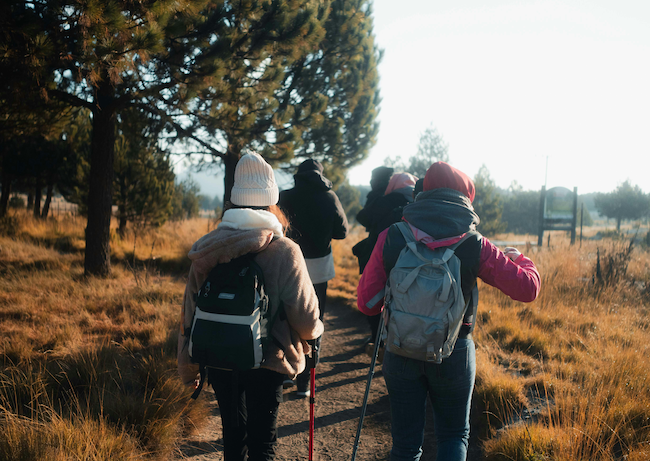
For those who enjoy being outdoors, wilderness retreats provide a structured way to explore nature while building independence. Activities often include orienteering and navigation, shelter building and basic survival skills. These experiences help kids develop resilience, leadership and confidence as they learn to adapt to unfamiliar environments.
3. Animal and Nature Courses
Animal-focused adventures create a strong connection between kids and the natural world. These can include wildlife courses, marine exploration or equestrian programs.
Horseback riding initiatives stand out as an integrated option with physical benefits, such as burning 200 calories in a 45-minute walk and building communication skills with animals through behavior and body awareness. Children benefit from learning to control a large animal and from coordinating their bodies during an immersive experience in nature.
4. Creative and Performing Arts Youth Activities
Those who enjoy self-expression thrive in arts-based environments where they can explore creativity without pressure. Some options may include visual arts and painting, music, songwriting and drama and performance through theater productions.
These environments encourage collaboration while helping children develop their voice and confidence. Outdoor camps also boost memory retention, with kids who camp regularly showing a 28% improvement compared to those who don’t.
5. Cultural and Language Immersions
Language and cultural immersion expose kids to new perspectives. These summer enrichment programs often integrate language learning into cultural activities, food and traditions. They can build communication skills across typical barriers, and it encourages their curiosity about the world by meeting other kids from out of state and across the country.
Through exposure to the unknown, children develop the ability to adapt to new environments. Kids who enjoy stories, travel or meeting new people benefit from such engaging opportunities.
Vet a Camp for Your Kid
Once you’ve identified a few options, it’s important to look beyond the brochure. A program may sound appealing, but the details determine whether it’s a good fit.
Prioritize Health and Safety
Start with the basics, like how the facility and counselors handle emergencies. Ask about clear staff-to-camper ratios, background checks on all staff, on-site medical support and procedures for illness or injury management.
Evaluate the Facilities
The environment will shape your child’s experience. Ask about where they will sleep, eat and spend most of their time. Pay attention to cleanliness and maintenance, age-appropriate equipment and access to safe outdoor or indoor spaces. Request a virtual or in-person tour to get a better sense of the setup.
Understand the People
Counselors play a major role in how kids experience the adventure. Their training, attitude and experience matter more than the activity itself. Ask about how the staff is trained, their years of interaction with kids and how conflicts or homesickness are handled if these arise. A strong team creates a supportive environment where children feel safe enough to try new things.
Make the Final Decision Together
Even once you’ve done the research, the final decision should not feel one-sided. Your child must feel considered and like they have a say in where they go.
Involve Your Child Early
Show them photos or videos of the camp. Talk through what a typical day looks like and ask what excites them or makes them nervous. This builds ownership and reduces anxiety.
Consider Your Budget and Their Personality
Set a realistic budget, but think about what your child needs, too. A smaller, more specialized retreat may offer more value than a large, general one. An introverted kid will prefer a smaller group, while a highly social one wants activity and multiple friends. Choose the best experience for their needs.
Align According to Fit
A good camp reshapes your child by meeting them where they are, giving them space to grow. When you focus on their natural interests, involve them in the process and vet your options carefully, you help create an experience that feels exciting rather than overwhelming.
Mia Barnes is a professional freelance writer specializing in postpartum wellness and practical family health advice. She has over 5 years of experience working as Body+Mind magazine's Editor-in-Chief. You can follow Mia and Body+Mind on X and Instagram @bodymindmag.