

15 Creative Activities for Quiet Days
There are certain days where the usual pace of family life seems to soften on its own, where no one is rushing and there is less energy for plans, outings, or anything that requires too much effort, and while those days can feel uncertain at first, they often carry an opportunity to slow things down in a way that feels both needed and restorative.
Children tend to meet these slower days in their own way, not by doing nothing, but by shifting into a different kind of play that feels more focused, more inward, and often more creative, especially when they are given the space to move without interruption or expectation.
Rather than trying to fill the day or redirect the quiet, it can help to gently offer a few simple activities that invite engagement without taking over, allowing children to come and go as they please and follow their own ideas as they unfold.
Some creative activities that work beautifully on quieter days include:
Drawing or painting without a plan, letting colours and shapes emerge naturally
Working with clay or dough, where the repetitive motion of rolling and shaping can feel grounding
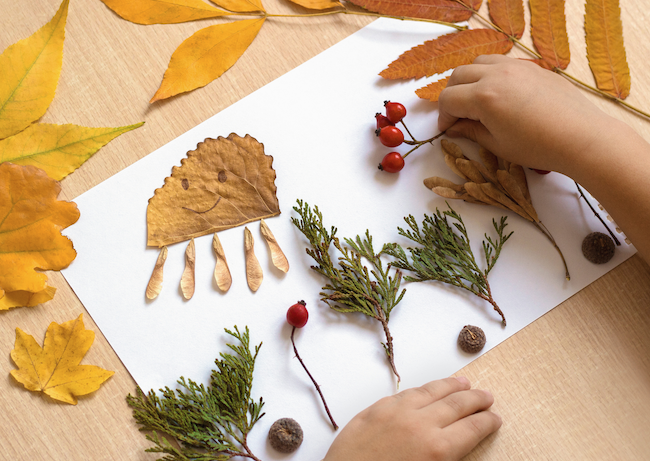
Creating collages from scraps of paper, fabric, leaves, flowers, or everyday materials found around the house
Building small imaginative worlds using blocks, toys, or objects they gather themselves
Sitting with books and slowly moving through stories, or quietly making up their own
Threading beads or making simple jewellery, which often encourages calm through repetition
Arranging objects into patterns or small displays, then changing them again as new ideas come
Writing, colouring in, doodling, or folding paper into small handmade books
Using natural materials like leaves, sticks, or stones to create a piece of artwork, or something textured and simple
Cutting and gluing simple shapes from coloured paper, allowing children to explore patterns and layering in their own way
Making quiet “treasure trays” by collecting small objects from around the home and arranging them thoughtfully
Creating simple shadow drawings by placing objects in sunlight and tracing around them
Folding paper into simple forms like boats or envelopes and then decorating them freely
Using stickers or stamps to create patterns or small scenes without any set outcome
Listening to soft music while drawing or creating, allowing the rhythm to guide their movement and ideas
What often becomes clear is that these activities do not need to be new or particularly exciting to hold a child’s attention, as it is the openness of them that allows creativity to deepen and the body to settle without pressure. On days like this, there can also be a quiet shift for parents, where instead of managing or guiding the day, you find yourself sitting nearby, observing, or joining in gently without needing to lead, and in doing so, the atmosphere of the home begins to feel softer and more connected.
It can take time to trust that these slower days are not wasted, especially when there is a tendency to associate activity with value, but children often find their own rhythm when given the space, moving between moments of making, wandering, and rest in a way that feels balanced and natural. And more often than not, it is within these quieter stretches of time that something small but meaningful begins to take shape, not because it was planned, but because there was finally enough space for it to emerge.