

Teaching Kids About Seasonal Change
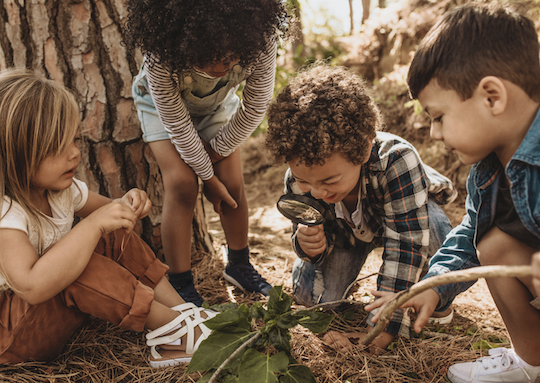
Children are naturally attuned to the world around them in ways that often go unnoticed by adults. They pause to watch leaves fall, notice when the air feels different on their skin, and ask questions about why the sun sets earlier or the mornings feel cooler. Seasonal change, for them, is not something to be explained in detail, but something to be experienced.
In a world that can feel fast and constant, the changing seasons offer a quiet reminder that life moves in cycles. There is a rhythm to nature that invites slowing down, noticing, and adjusting. When children are given the space to connect with these shifts, they begin to develop a deeper awareness of the world and their place within it.
Teaching children about seasonal change does not need to feel like a lesson. It can happen gently, through everyday moments. Walking outside and noticing the colour of leaves underfoot. Talking about how the air feels different in the morning. Observing how plants, animals, and even the light begin to change. These small conversations help children build understanding in a way that feels natural and grounded.
Nature becomes one of the most powerful teachers. Spending time outdoors allows children to experience the seasons with their senses rather than through explanation. Feeling the crunch of leaves, the warmth of the sun, or the coolness of the wind gives meaning to what might otherwise feel abstract. These experiences stay with them in a way that information alone cannot.
There is also something comforting about the predictability of seasons. Even as life changes, the natural world continues its steady cycle. This can create a sense of security for children, helping them understand that change is not something to fear, but something that is part of life. Seasons show us that things can shift, rest, grow, and begin again.
Bringing seasonal awareness into the home can deepen this connection. Simple changes such as choosing seasonal foods, adjusting daily rhythms, or creating small traditions that reflect the time of year can help children feel more grounded in the present moment. It does not need to be elaborate. Often it is the smallest shifts that children notice most.
Seasonal change can also become a gentle way to talk about emotions and growth. Just as nature moves through different phases, so do we. There are times for activity and times for rest, moments of expansion and moments of quiet. Helping children see this connection can support their emotional understanding in a way that feels both simple and meaningful.
As children grow, these early experiences shape how they relate to the world. They learn to notice, to appreciate, and to move with change rather than resist it. They begin to understand that life is not static, but constantly evolving in quiet and beautiful ways.
In the end, teaching children about seasonal change is less about information and more about awareness. It is about inviting them to slow down, to look a little closer, and to feel connected to something larger than themselves. And often, in doing so, we are gently reminded to do the same.