

Raising Children Who Stand Up for Kindness
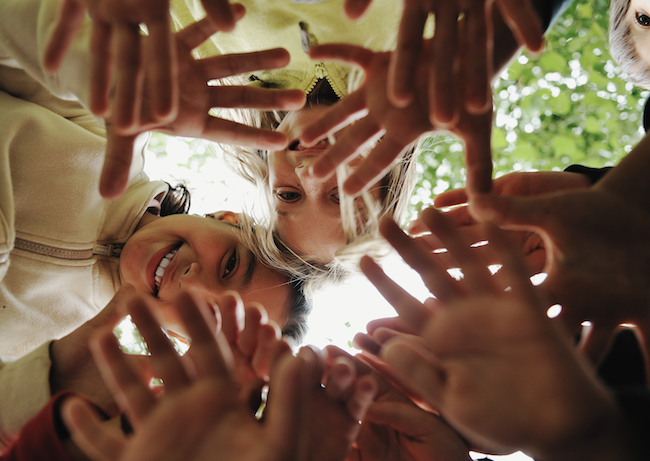
Kindness is often spoken about as something simple and we encourage children to share, to use kind words, to include others in their games. These moments absolutely matter, but kindness goes far beyond good manners, being polite or sharing a tool. Whilst these are certainly foundational pillars of kindness, at its heart, kindness is about how we choose to treat people, especially when it would be easier not to.
One of the greatest hopes many parents carry is that their children will grow into people who are not only kind themselves, but who are willing to stand up for kindness when it matters. That can be difficult. It takes courage to include someone who is being left out, it takes confidence to speak up when something feels unfair, it takes empathy to notice when another person might need support in the first place. These qualities do not appear overnight nor are they easy to action, but tey are built slowly through everyday experiences, conversations, and observations.
Children learn a great deal from what they see around them; they notice how we speak about others, how we respond when someone makes a mistake, and how we treat people when there is nothing to gain from being kind. The examples of kindness they witness at home often become the foundation for how they move through the world themselves. This by no means is fullproof and doesn't mean children will always get it right. Of course there will be moments when they follow the crowd, miss social cues, or make choices that fall short of the values we hope to teach - they're just human and like us adults, sometimes we get it wrong and don't feel proud of a choice we have made. Childhood is full of learning opportunities, and kindness is no exception, but what really matters is creating an environment where these moments can become conversations rather than sources of shame.
Talking openly about feelings can help children develop the empathy that sits underneath genuine kindness. When children learn to recognise their own emotions, they become better able to understand what someone else might be experiencing. A child who can imagine how another person feels is often more likely to act with compassion. It can also be helpful to celebrate kindness when you notice it, especially the small and quiet forms of it that often go unnoticed. A child who comforts a sibling, helps a friend, or notices when someone is struggling is showing qualities that deserve recognition, not because they need praise for every good deed, but because bringing attention to these moments reinforces the values that matter to your family.
As children grow, they will encounter situations that are more complex than simply choosing to be nice. They may see someone being excluded, hear unkind comments, or find themselves caught between doing what feels right and doing what feels easy. These are the moments where courage and kindness begin to meet. Helping children understand that kindness is not always about being liked can be an important lesson. Sometimes standing up for someone else feels uncomfortable. Sometimes it means speaking up when nobody else does. Sometimes it means making a choice that requires confidence rather than approval.
The goal is not to raise children who are perfect. It is to raise children who care about others, who are willing to think beyond themselves, and who understand that their actions have an impact on the people around them. Over time, all these small lessons begin to add up. The conversations around the dinner table, the examples set at home, the moments of reflection after a difficult day, all contribute to shaping how children see the world and their place within it.
The key to teaching in kindness is that it has a ripple effect. A single act can change the course of someone’s day, and sometimes much more than that. When children learn not only to practise kindness but to stand up for it, they carry something valuable with them into every classroom, friendship, workplace, and community they become part of and in a world that can sometimes feel divided or rushed, that may be one of the most meaningful gifts we can give them.