

Organizing Play Spaces
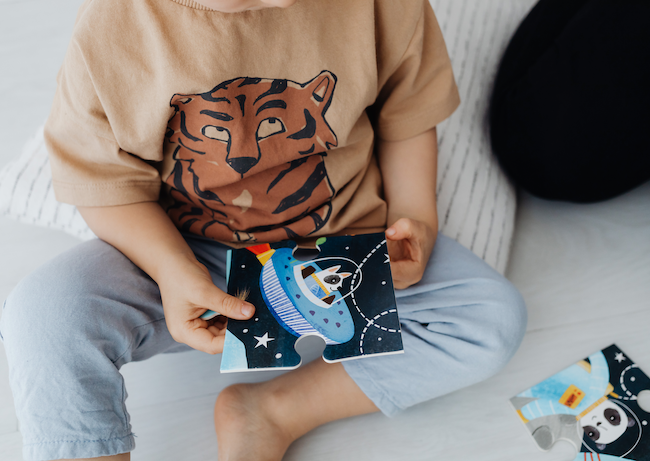
The way a play space feels often matters more than what is in it. While it can be tempting to focus on having the right toys or enough variety to keep children engaged, what children respond to most is the atmosphere around them. A space that feels calm, inviting, and easy to move within naturally encourages deeper, more focused play, while a space that feels crowded or overwhelming can lead to distraction, frustration, or disinterest.
Many modern play areas become filled over time without much intention. Toys accumulate through gifts, special occasions, and everyday purchases, until shelves and baskets begin to overflow. When everything is available all at once, it can be difficult for children to settle into any one activity. Instead of engaging more, they often move quickly from one thing to the next, unsure where to begin.
Organizing a play space is less about creating something visually perfect and more about creating clarity. When children can see what is available and access it easily, they are more likely to play independently and with greater imagination. A thoughtful environment quietly supports their ability to focus, create, and explore. One of the most helpful starting points is simplifying what is already there. Reducing the number of toys available at one time can make a noticeable difference in how children interact with their space. This does not mean getting rid of everything, but rather choosing a smaller selection to keep visible while storing the rest to rotate in later. When fewer items are present, each one tends to be used more intentionally.
The way toys are displayed also shapes how they are used. Open shelves, baskets, and trays that allow children to clearly see their options create a sense of ease and independence. When toys are grouped thoughtfully, such as keeping building materials together or art supplies in one area, children begin to understand the space more intuitively. This gentle structure supports both creativity and tidiness without the need for constant reminders.
It can also help to think about the kinds of play you want to encourage. A quiet corner with books and soft cushions invites rest and imagination. A small table with paper and drawing materials encourages creativity. Open floor space allows for building, movement, and open ended play. These areas do not need to be large or perfectly defined, but having a sense of purpose within the space can guide how it is used.
There are a few gentle ways to support a play space so it continues to feel calm and functional over time:
Keep toys at a level children can reach so they can choose and return them independently
Rotate toys every few weeks to keep interest fresh without adding more
Choose open ended materials that can be used in many different ways
Use simple storage such as baskets or trays rather than complex systems
Allow a small amount of mess during play while maintaining overall order
Involve children in tidying so they feel ownership of the space
Notice what is not being used and quietly remove it
The goal is not to create a space where everything stays perfectly in place, but one where children feel comfortable to play, explore, and return to calm when they are finished. A certain level of mess is part of meaningful play, and within a well organized environment, even that mess tends to feel manageable.
There is also something grounding for parents in a space that feels more intentional. Fewer visual distractions, less clutter, and a clearer sense of order can shift the energy of the home in subtle but powerful ways. It becomes easier to be present, to join in play when invited, or to simply sit nearby without feeling overwhelmed by the environment. Over time, an organized play space becomes less about the physical arrangement and more about what it supports. It creates room for imagination, independence, and deeper engagement. It allows children to move through their play with a sense of ease, and it offers a gentle reminder that sometimes less truly does create more.
In the end, the most meaningful play spaces are not the ones filled with the most toys, but the ones that leave enough room for children to bring their own ideas to life.