

Making Time for One-on-One Moments in Busy Families
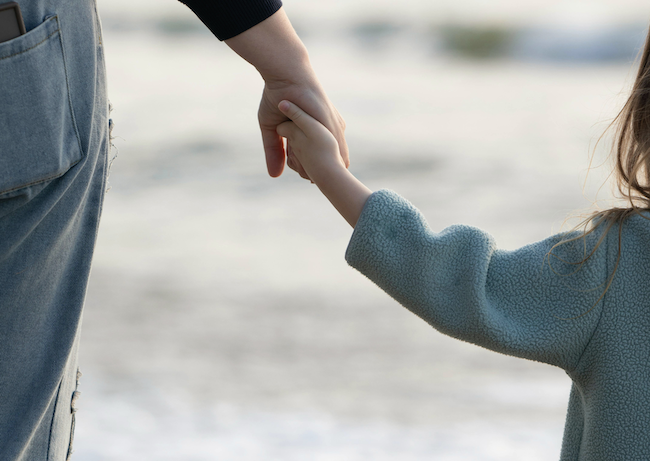
Family life can become surprisingly collective; meals happen around the same table, school runs involve everyone, weekends are filled with activities, and conversations often take place while someone is looking for a missing shoe or trying to get dinner onto the table. Even in a loving, connected family, individual time with each child can gradually become harder to find, particularly when everyone has different schedules, needs and interests.
One-on-one time does not have to mean booking an entire afternoon around a child or creating elaborate plans for special outings. Some of the most meaningful moments happen in the ordinary gaps of the day, when a parent and child happen to be together without everyone else competing for the conversation. A walk to the corner shop, sitting beside them while they finish their breakfast, taking one child along for an errand or spending ten minutes together before bed can become a little pocket of connection that feels very different from being together as a group.
Pay attention to the small gaps
Busy families tend to look at the calendar when they think about spending time together, which can make individual time feel like another commitment that needs to be scheduled. Instead, it can help to notice the spaces that already exist. One child might need a lift somewhere while their sibling stays home. Someone may wake up earlier than everyone else. The grocery shop might be easier with one child than with three. These little stretches of time are often enough to create a conversation or shared experience without adding another event to an already full week.
The activity itself rarely matters as much as the feeling of having a parent's attention. Children might remember getting a hot chocolate after school, helping to choose something at the supermarket or sitting in the car listening to music together because those moments gave them uninterrupted access to someone they love. For a child who spends most of their day sharing adults with siblings, teachers and classmates, having a parent beside them can feel significant even when absolutely nothing exciting is happening.
Let each child have their own kind of time
One of the nicest things about one-on-one time is that it can look completely different from child to child. One might want to go for a bike ride, another might prefer baking, and another may be happiest curled up on the sofa talking about something they have become obsessed with that week. Trying to make individual time equally impressive or identical for every child can take some of the enjoyment out of it. Instead, think about what each child naturally gravitates towards. Perhaps one loves helping with dinner, while another would happily spend half an hour looking through old family photographs. A younger child might want to play a game they have invented, while an older child may be more inclined to talk while driving somewhere together. Following their interests gives the time a personal quality and helps children feel known for who they actually are.
Create little traditions
A recurring ritual can make one-on-one time easier to maintain because it becomes part of the family's rhythm rather than something that has to be reinvented every time. It might be breakfast with Mum on Saturday mornings, a monthly trip to the library, a walk with Dad after school or taking turns choosing what to cook together on a Sunday afternoon. The tradition does not need to happen every week for it to matter. What makes these rituals special is the anticipation and familiarity that build around them. A child knows that this is something that belongs to the two of you, and over time the ritual becomes attached to a particular relationship rather than simply another item on the family calendar.
Use everyday jobs to your advantage
Some of the best one-on-one opportunities are hiding inside the things that already have to get done. Taking a child along while running an errand, asking them to help prepare dinner or letting them come along while walking the dog can turn an ordinary task into shared time. Without the pressure of having to entertain them, conversations often wander naturally. Cars can be particularly useful for this. Children sometimes talk more freely when they are sitting beside you rather than looking directly at you, and a short drive can give you a surprisingly uninterrupted stretch together. It can become a space where they tell you about a friendship, ask an unexpected question or launch into an elaborate explanation of something you have never heard of before.
Put the phone away when you can
Children are very good at noticing when an adult is physically present but mentally somewhere else. Giving them your full attention for even a short period can make the time feel considerably longer and more meaningful. This might mean leaving your phone in another room during bedtime, putting it away while you have coffee together or resisting the urge to check messages while they are telling you a story. That kind of attention also changes the quality of the conversation. When there is time to listen without immediately moving onto the next task, children have more room to tell you the strange, funny, insignificant and occasionally important things that make up their world.
Let conversations take their time
One-on-one moments often become most valuable when parents resist the temptation to steer them towards something meaningful. A child may begin by talking about a video game and somehow end up telling you about a worry they have been carrying around for days. Another might spend twenty minutes explaining the rules of a playground game before mentioning something that happened at school. Listening to all the seemingly ordinary parts is part of building the relationship. Children need to know that their parent is interested in their world even when the subject has very little to do with adult life. Those everyday conversations create familiarity, and familiarity makes it easier for bigger conversations to happen when they are needed.
Make space for individual attention when emotions are running high
Sibling dynamics can make individual attention particularly valuable during periods of change, conflict or heightened emotion. A child who has been struggling with a new sibling, moving house, starting school or simply finding their place within the family may need opportunities to reconnect with a parent without having to compete for attention. Sometimes this can be as simple as taking them out for a walk after a difficult afternoon or sitting together once the rest of the house has settled. Individual time gives a parent a chance to understand what might be underneath a behaviour and gives the child an opportunity to talk without an audience. It can also help children feel secure in their place within the family, particularly when life has recently demanded a lot of adjustment from everyone.
Remember that connection can be brief
The pressure to create meaningful family memories can make parents overlook how much can happen in ten or fifteen minutes. A child does not necessarily need a whole day of dedicated attention to feel connected to you. Regular little moments can have a cumulative effect, especially when they happen naturally and are accompanied by genuine interest.
For busy families, that may be the most realistic approach. Instead of waiting for an empty Saturday that rarely arrives, look at the ordinary week and consider where each child could have a little piece of you. One child gets the walk home from school, another helps make dinner, another stays up ten minutes later for a chat. Over time, those small pockets of attention become part of the family's history, often remembered long after the particular errands, meals and school runs have been forgotten.