

How Nature Helps Busy Nervous Systems Reset
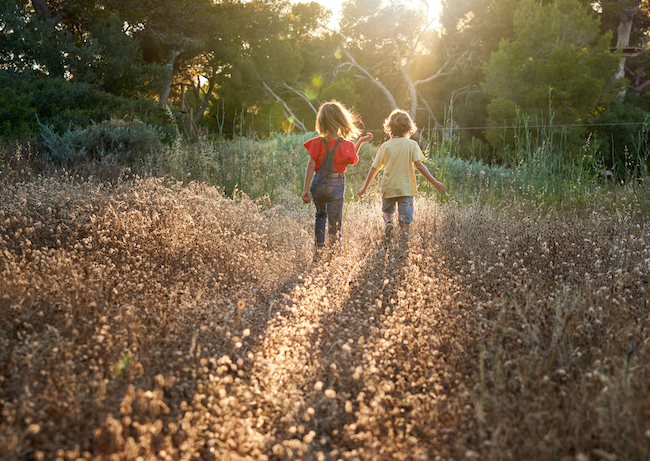
Children are living in a modern world that asks a great deal of them, even in the early years, their days are often filled with transitions. They move from home to school, from one activity to the next, navigating friendships, following instructions, managing emotions, filtering noise, processing new information and adapting to constantly changing environments. Much of this happens quietly, and because children are remarkably adaptable, it's easy to underestimate just how much energy it requires.
When we notice a child becoming irritable by late afternoon, melting down over something seemingly insignificant, or struggling to settle after a busy day, our instinct is often to look for what went wrong. Sometimes, though, nothing has gone wrong at all. Their nervous system is simply asking for a chance to exhale. And nature has a remarkable way of offering exactly that. Not because every child suddenly becomes calm the moment they step outside, but because the natural world asks very little of them in return. There are no instructions to follow, no performance expected, no right way to engage with a tree, a creek, a patch of grass or a handful of smooth stones. Children can simply arrive as they are.
It is a very different experience from much of modern life, where attention is constantly being directed. Screens compete for it. Classrooms require it. Organised activities depend on it. Outdoors, attention has room to soften. A child might notice an ant carrying a leaf that is far too large, spend ten minutes watching clouds drift across the sky, or become completely absorbed in the rhythm of filling a bucket with water and pouring it out again. To an adult, these moments can appear uneventful. To a child's nervous system, they can be deeply restorative.
There is a reason so many children instinctively begin slowing down once they have enough time outside.
Some crouch to inspect tiny flowers growing through cracks in the pavement. Others collect sticks without any particular plan for them. They balance on logs, listen to birds, dig in the dirt or wander slowly without feeling the need to reach a destination. These aren't just ways of passing the time. They are experiences that engage the senses in a gentle, grounding way, helping the body shift away from constant alertness and towards a greater sense of ease that doesn't require a national park or hours of free time.
A backyard can be enough. So can a local beach, a quiet walking track, a community garden or even sitting beneath the same tree after school each afternoon. The place matters far less than the opportunity to slow down within it. Many of us have been taught to think of nature as another activity to schedule, something we fit into the weekend if the weather is nice. But children often benefit most when it becomes woven into ordinary life rather than treated as a special event. Walking the longer way home because there are ducks to visit. Eating afternoon tea outside instead of at the kitchen table. Watering herbs together before dinner. Looking for the first signs of changing seasons on a familiar path.
These small rituals accumulate over time, they remind children that the world moves according to rhythms very different from our calendars and to-do lists. Trees lose their leaves without rushing. Seeds spend weeks hidden beneath the soil before anything appears above the surface. Clouds drift across the sky without worrying about where they should be next. Nature quietly models something that busy lives often forget: growth and movement don't always happen quickly and that lesson matters just as much for parents.
Children tend to borrow the pace of the adults around them. When we hurry through a walk because there is somewhere else to be, they feel it. When we stop to notice a butterfly, sit on the grass for a few extra minutes, or allow ourselves to wander without checking the time, they notice that too. Slowing down is surprisingly contagious.
None of this means nature is a cure for every difficult day or every big emotion. Children will still become overwhelmed. They will still argue with siblings, feel frustrated, and have moments when everything seems like too much. The goal isn't to prevent those experiences. It's to create regular opportunities for the nervous system to return to a place that feels safe, steady and unhurried.Perhaps that is one of the greatest gifts the natural world offers.
It doesn't ask children to be quieter, happier, more patient or better behaved before welcoming them. It simply makes space for them exactly as they are. In doing so, it gently reminds all of us that sometimes the most powerful reset isn't found in doing more, but in stepping outside, taking a slower breath, and allowing the world around us to set the pace for a little while.