

Helping Children Navigate Friendship Hurt
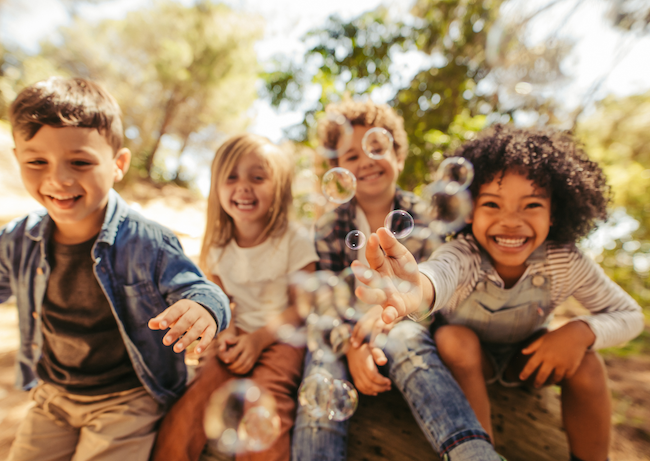
Few things tug at a parent’s heart quite like watching their child experience friendship hurt. The tears after school. The quiet withdrawal. The sudden words, they do not want to play with me anymore. For children, friendships are not casual. They are whole worlds. When something shifts inside that world, it can feel enormous and deeply personal.
Our instinct is often to protect and to fix. To call the other parent, offer solutions, or remind our child that there are plenty of other friends. While these responses come from love, what children need first is not resolution, they need space to feel what is real for them.
Friendship hurt can bring up sadness, embarrassment, anger, confusion, even shame. It can stir fears of being unlikeable or left out. These emotions can feel overwhelming in small bodies that are still learning how relationships work. Before offering advice, it helps to sit beside the feeling. To say; that sounds really painful. I can see how much that hurt you. Validation does not magnify pain. It makes it manageable.
Listening without rushing toward a solution gives children something powerful. It teaches them that difficult feelings do not need to be avoided. They can be named, expressed, and survived. When we resist the urge to minimise or distract, children learn resilience in a quiet and lasting way.
It can also be helpful to gently widen their perspective without dismissing their experience. You might ask; what do you think happened? How did that make you feel? What would you like to say if you felt brave? These questions invite reflection instead of blame. They encourage children to consider both their own feelings and the possibility that others are navigating complicated emotions too.
Friendships in childhood are practice grounds. They are where children learn about boundaries, repair, communication, and self worth. Not every friendship will last. Not every disagreement will resolve neatly. But each experience builds emotional understanding. When a child learns that conflict does not mean catastrophe, and that hurt can be worked through, their confidence grows.
There will be moments when intervention is necessary, particularly if patterns of exclusion or unkindness persist. Yet often the most important support we offer is steady presence. A calm adult who believes in their ability to navigate the situation. A home that feels safe enough to land after a hard day.
It is also an opportunity to model healthy relationship behaviour. Speaking about others with respect. Showing how to apologise and repair. Demonstrating that we, too, experience friendship shifts and find our way through them. Children absorb far more from what we embody than from what we instruct.
Friendship hurt is part of growing up. It stretches tender parts of the heart, but it also strengthens them. When children are supported through these moments with empathy rather than urgency, they begin to trust that relationships can bend without breaking their sense of self.
In the end, we cannot shield our children from every disappointment. What we can give them is the steady reassurance that they are worthy of kind connection, that hurt feelings will pass, and that they are never alone in navigating the complexities of belonging.