

Helping Children Develop Inner Confidence
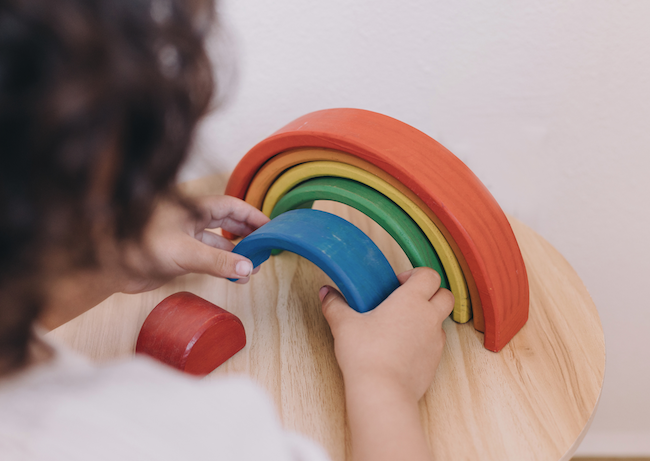
Confidence is something that we can grapple with, even as adults. But for children, developing it in the first place can be a journey, and a child standing at the edge of something unfamiliar often reveals so much about confidence. It could be the hesitation before joining a new activity, the glance towards a parent for reassurance, the quiet decision about whether to try or step back. These moments may seem small, but they are where children begin to form their relationship with themselves.
Confidence is often misunderstood as something visible. We imagine the child who speaks up easily, tries everything without fear, or walks into a room without hesitation is filled with confidence. But many confident children are not the ones who always appear fearless. Often, confidence looks much quieter, it can be the child who tries again after struggling, who asks for help when they need it, or who knows they can handle something even when it feels uncomfortable.
The foundations of inner confidence are built slowly through everyday experiences. Children develop trust in themselves when they are given opportunities to make choices, solve problems, and discover what they are capable of. They need the space to explore who they are, rather than feeling like they are constantly being shaped into who others want them to be.
As parents, we naturally want to encourage our children. We celebrate their achievements, tell them how proud we are, and remind them of all the things they do well. These moments matter, but confidence grows even deeper when children begin to recognise their own strengths. Instead of always telling children they are good at something, we can help them notice their own effort and growth. We can talk about what they enjoyed, what felt challenging, and what they discovered while trying. This helps children understand that confidence does not come from always succeeding. It comes from knowing they can learn, adapt, and continue.
Sometimes this means allowing children to struggle a little. Watching our children find something difficult can be uncomfortable, especially when we know we could make it easier for them. We may want to step in, offer the answer, or remove the frustration. But when children are supported through challenges rather than protected from every challenge, they begin to build a sense of capability. They start to learn that difficult moments do not mean they are failing, but rather the difficult moments are simply part of the process.
The language children hear at home also shapes the way they speak to themselves. A child who regularly hears kindness, encouragement, and acceptance begins to develop an inner voice that reflects those qualities. This does not mean constant praise or avoiding honest conversations. Children benefit from knowing they can improve, make mistakes, and try again while still being loved and valued.
Our own relationship with ourselves plays a role too. Children notice how we respond when we make mistakes, how we speak about our own abilities, and whether we treat ourselves with patience. They learn confidence not only from what we tell them, but from what we show them.
There will be times when children compare themselves to others or question whether they are good enough. These moments are part of growing up. The goal is not to create a child who never doubts themselves, because uncertainty is something all people experience. The goal is to help them develop an inner sense of steadiness they can return to.
A confident child is not one who believes they will always get everything right. A confident child is one who knows they can face new experiences, learn from setbacks, and remain connected to who they are as they grow.