

Holding Space for Childhood: Why Uninterrupted Play Matters
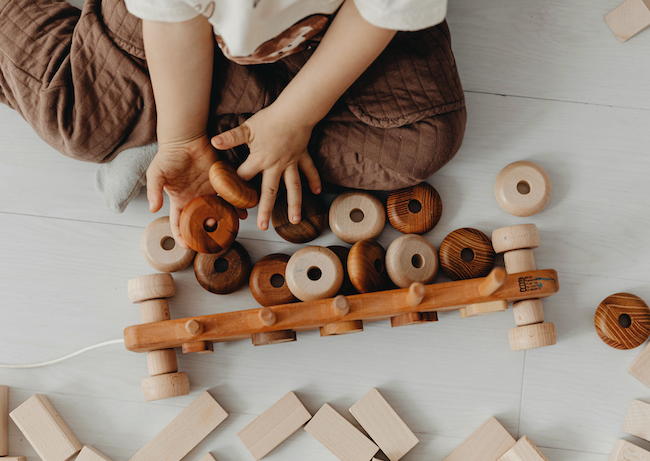
In the unfolding of childhood, play is where so much of the invisible work of growing happens. It's how and where children make sense of their experiences, explore their emotions, develop their imagination, and begin to understand who they are in the world. Yet in our modern lives, where days can often feel full of routines, activities, responsibilities, and constant stimulation, uninterrupted play is something that can easily become overlooked.
As parents, we naturally want to support our children, we want to teach them, encourage them, and give them opportunities to learn and grow. We want the best for them and for them to shine, sometimes this means we step into their play without even realising it; offering ideas, asking questions, suggesting what they could create, or helping them when something feels challenging. These moments often come from a place of love and connection, but there is also something incredibly valuable that happens when we allow children the freedom to simply explore on their own terms.
Uninterrupted play is not about leaving children to entertain themselves while we step away. It is about creating a safe, nurturing environment where children have the time, space, and trust to follow their own curiosity. When we protect these moments, we give children the opportunity to become the creators of their own experiences, allowing their natural creativity, confidence, and problem-solving abilities to flourish.
The Freedom to Create
One of the most beautiful things about uninterrupted play is the way it allows imagination to take centre stage. When children are not guided towards a particular outcome, they are free to explore possibilities, create their own stories, and discover new ways of interacting with the world around them.
A simple collection of objects can become an entire imaginary world. A cardboard box can transform into a house, a spaceship, or a cosy reading nook. A stick found in the garden can become a magical wand, a cooking utensil, or a tool for an adventure. To an adult, these objects may appear ordinary, but through a child’s imagination, they hold endless potential. This kind of creative exploration helps children understand that they are capable of generating ideas and bringing them to life. They begin to trust their own thinking and learn that there is not always one correct way to approach something. In a world where children are often surrounded by instructions and expectations, uninterrupted play offers them the rare opportunity to be the author of their own experience.
Following Curiosity and Deepening Learning
Children are naturally curious. From the moment they begin exploring their surroundings, they are constantly asking questions, testing ideas, and trying to understand how things work. Uninterrupted play honours this natural curiosity by allowing children to decide what captures their attention and how long they want to explore it.
A child who spends twenty minutes pouring water between containers is not simply playing with water. They are exploring concepts such as cause and effect, measurement, movement, and change. A child who repeatedly builds a tower only to knock it down again is not wasting time; they are experimenting, problem-solving, and learning about balance, structure, and persistence. As adults, we can sometimes underestimate the depth of these moments because they do not always look like traditional learning. There may not be a worksheet, a lesson, or a finished product to show at the end. But beneath the surface, children are developing focus, independence, creativity, and critical thinking skills that will support them throughout their lives.
Building Resilience Through Challenges
One of the greatest gifts of uninterrupted play is the space it creates for children to work through challenges independently. It can be difficult as parents to watch our children struggle. Our instinct is often to step in, offer a solution, or make things easier because we want to protect them from frustration.
However, small moments of struggle are where children begin to discover their own capabilities. When a child tries again after a block tower falls, they are learning perseverance. When they adjust their approach because something did not work the first time, they are developing flexibility and problem-solving skills. When they navigate disagreements within pretend play or change their plans when an idea does not unfold as expected, they are practising emotional regulation.
These experiences build a quiet confidence that comes from within. Children learn that challenges are not something to avoid, but something they can move through. They begin to trust themselves and recognise that they are capable of finding solutions.
Play as an Emotional Language
Children experience the world with such depth, but they do not always have the words to express everything they feel. Play provides them with a natural language for processing emotions, experiences, and relationships. Through imaginative play, children often recreate situations they have encountered, explore different roles, and make sense of feelings that may feel too big or complicated to explain. A child might play “family” after experiencing a change at home, create stories about characters overcoming challenges, or repeat an experience as a way of understanding what happened.
When we allow uninterrupted play, we give children a safe space to process their inner world. Rather than rushing to interpret or redirect their play, we can simply observe with curiosity and compassion. Often, children reveal parts of themselves through play that they may not yet be ready to communicate through words.
Confidence Grows When Children Lead
There is something deeply empowering about allowing children to take the lead. During uninterrupted play, children make decisions, create rules, solve problems, and change direction whenever their imagination guides them. This sense of ownership helps children develop confidence because they experience themselves as capable and creative individuals. They learn that their ideas are important, their choices have meaning, and their voices deserve to be heard.
Supporting independence does not mean removing connection or guidance. Children still need our presence, reassurance, and emotional safety. The difference is that instead of taking over the experience, we create the conditions for them to discover what they can do for themselves. Sometimes the most powerful encouragement we can offer is simply trusting that our children are capable.
Parent’s Role: Creating Space and Staying Connected
Uninterrupted play does not require parents to disappear. In fact, children often play most freely when they feel secure in the knowledge that we are nearby. Our role is not to become uninvolved, but to shift from being the director of play to becoming a calm and supportive observer.
This might look like providing open-ended materials, creating a safe environment, protecting time without rushing, and allowing children to become fully immersed in what they are doing. It might mean resisting the urge to ask constant questions or suggest new ideas, and instead simply noticing their concentration, creativity, and joy. There is a beautiful form of connection that comes from watching our children discover something for themselves. When we sit beside them and honour their process, we communicate that we value not only what they create but who they are becoming.
Protecting the Gift of Childhood
In our modern world that often encourages us to fill every moment with activities, learning opportunities, and achievement, uninterrupted play reminds us of the importance of slowing down. Childhood does not need to be constantly structured, improved, or guided. Sometimes children need the freedom to wander through their imagination, follow their curiosity, and experience the simple joy of being present. When we protect space for uninterrupted play, we are supporting so much more than entertainment. We are nurturing creativity, resilience, independence, emotional expression, and self-confidence. We are giving children the opportunity to connect with their own ideas and discover the world in their own unique way.
Perhaps one of the greatest gifts we can offer our children is not another activity or another lesson, but the quiet trust that they already hold within themselves everything they need to explore, learn, and grow. Because when children are given the freedom to play, they are not simply passing the time, they are learning and growing into the adults they will be.