

Calm Sensory Activities To Try Before Bed
The hour before bedtime can sometimes feel like a contradiction. Children may be tired, yet somehow seem to have more energy than they did all afternoon. Bodies that have spent the day learning, moving, socialising, and processing new experiences often need time to unwind before sleep can comfortably take over. This is where sensory activities can be particularly helpful.
Rather than expecting children to switch directly from a busy day into a restful night, sensory play creates a gentle bridge between the two. It gives children an opportunity to slow down, engage their senses, and settle their nervous systems in a way that feels natural rather than forced. The goal is not to stimulate, but to soothe.
Many calming sensory activities are surprisingly simple to prepare and use materials that are already around the home. They don't need to be elaborate to be effective.
Wooden Block Balancing
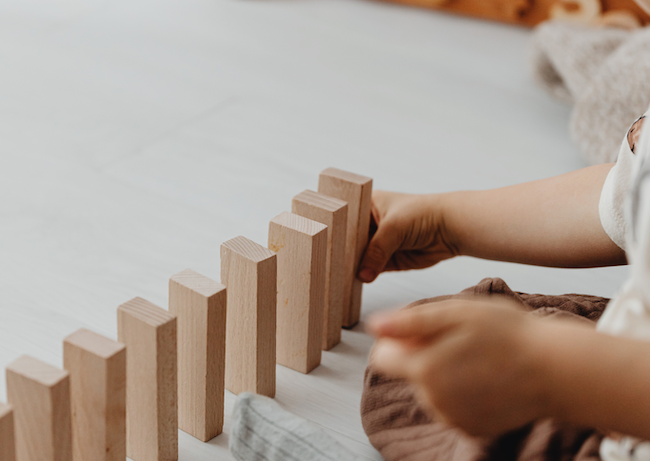
Create a small basket of wooden blocks in different shapes and sizes, then invite your child to build simple towers, bridges, or balancing structures. There is no goal to create anything specific. The focus is on handling the blocks slowly, noticing how they fit together, and experimenting with balance and weight.
For an even calmer setup, place the blocks on a soft mat and encourage quiet building in a softly lit room. The natural texture and weight of wooden blocks provide rich sensory input, while the concentration required to stack and balance them can help children transition from the busyness of the day into a more settled state before bed. This activity works particularly well for children who find repetitive hand movements calming and enjoy creating with open-ended materials.
Lavender Play Dough
Soft play dough can be wonderfully calming for busy hands. To create a bedtime version, add a few drops of lavender essential oil to homemade or store bought play dough.
Place a small ball of dough on a tray with a few cookie cutters, wooden rollers, or loose natural items such as leaves and flowers for pressing patterns. The repetitive squeezing, rolling, and shaping can help children release tension from the day.
Warm Water Sensory Bowl
Fill a shallow bowl or container with warm water and add items such as smooth stones, silicone cupcake cases, measuring spoons, or floating flower petals. Children can scoop, pour, and explore the water quietly while sitting at the table. The warmth itself often has an immediate calming effect.
Dry Rice Sensory Tray
Fill a tray or shallow container with uncooked rice and hide a handful of small objects inside for children to discover.
Wooden animals, smooth pebbles, shells, or large buttons work well. Keep the lighting soft and encourage slow exploration rather than active searching.
Moon Sand
Mix approximately eight parts flour with one part coconut oil until a soft, mouldable texture forms. Place in a tray with small scoops, cups, and natural treasures. The soft texture invites gentle play and can be especially calming for children who enjoy tactile experiences.
Nature Sorting Basket
Collect a small selection of nature items such as leaves, pinecones, seed pods, feathers, or smooth stones.
Arrange them in a basket and invite children to sort them by size, colour, texture, or shape. This quiet activity encourages focus while connecting children with natural materials.
Sensory Painting with Water
Using a small bowl of water and a paintbrush, children can "paint" rocks, timber, fences, or outdoor surfaces.
The marks disappear as the water dries, making the process itself the focus rather than the finished product. This can feel surprisingly meditative for young children.
Oat Sensory Bin
Fill a shallow container with rolled oats and add measuring cups, wooden spoons, and small bowls. The soft texture creates a calming sensory experience, while scooping and pouring provide repetitive movements that many children find regulating.
Bedtime Scent Jars
Place cotton balls scented with gentle child safe fragrances such as lavender, chamomile, or vanilla into small jars.
Children can open the jars and smell each one, noticing how different scents make them feel. This can become a lovely part of a consistent bedtime rhythm, plus the relaxing and soothing scents can help promote feelings of calm and sleepiness.
Soft Fabric Discovery Basket
Fill a basket with pieces of silk, cotton, linen, velvet, fleece, and other fabrics. Children can touch and compare the textures, fold them, or simply explore how each one feels. This activity works particularly well for children who seek tactile input.
Glow Sensory Jar
Fill a clear jar with water, a small amount of clear glue, and glow in the dark stars or glitter.
Shake gently and watch the contents slowly settle. The visual movement can encourage children to slow their breathing and focus their attention before bed.
Not every child will be drawn to the same sensory experiences, and that is completely normal. Some children find comfort in textures, while others respond more strongly to movement, scent, water, or visual activities. Part of the process is simply observing what helps your child feel calm and settled, then building those experiences into your evening rhythm.
The most effective bedtime sensory activities are often the ones that feel simple and predictable. When children know what to expect and are given time to slow down without rushing toward the next task, bedtime can begin to feel less like a transition that happens suddenly and more like a gradual winding down of the day. And often, that gentle shift is exactly what both children and parents need before sleep.