

Learning Through Daily Routines
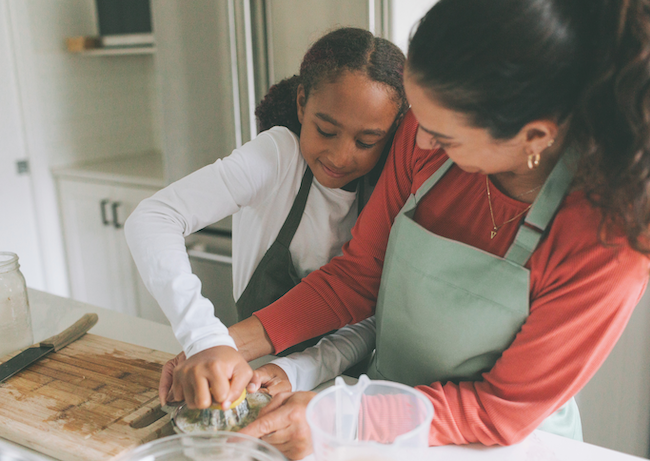
There can be a quiet pressure in modern parenting to make childhood feel full. Full of activities, full of experiences, full of opportunities that look enriching and intentional. It can sometimes leave ordinary days feeling as though they are not quite enough on their own, as though learning needs to happen somewhere separate from everyday life rather than inside it. But children do not experience their days in neat categories. To them, there is no clear line between life and learning.
A child standing beside you while you cook dinner is not thinking about whether this counts as educational. They are noticing that onions change when heat touches them; they are hearing conversation, they are learning that meals do not appear from nowhere, they are watching how ingredients are measured, how decisions get made, how problems are adjusted for when something burns or an ingredient is missing. They are absorbing rhythm, language, sequence, movement, and connection all at once.
Daily routines have a way of becoming invisible to adults because we repeat them so often. Packing bags, putting washing away, getting everybody out the door, clearing the table, feeding pets, resetting the house at the end of the day. We move through these things efficiently because we have done them thousands of times. And it's easy to forget that children have not, for them, these moments still feel new.
That is partly why young children often want to help with things that seem unnecessary or inconvenient. They want to stir even if it spills. They want to carry one item from the car at a time. They want to press the button, zip the bag, pour the water, crack the egg. It can feel slower in the moment but there is often something deeper happening underneath it. They are building a relationship with capability.
And capability is not something children are usually taught directly. It grows from experience. From being trusted with small things before they can do them perfectly. From realising they can participate in the life happening around them rather than waiting to become old enough for responsibility.
Repetition matters here too, although not in the way adults tend to think about it.
Children do not repeat routines because they are stuck. They repeat because they are refining. Adults often chase variety and stimulation, but children seem remarkably willing to revisit the same moments over and over until something settles into them. The same bedtime routine. The same route to the park. The same job of putting napkins on the table every evening. And slowly, almost invisibly, competence arrives.
One day they suddenly do up their own shoes. They remember what comes next. They begin preparing part of breakfast without help. They move through familiar parts of the day with more ease than before and it can seem as though it happened overnight, when really it has been building quietly through repetition all along.
There are practical things being learned, of course, but there are also less obvious things. Children are learning what daily life feels like; they notice whether mornings feel frantic or steady. They notice whether mistakes create tension or problem solving. They notice whether people rest when they are tired or push through. They notice how adults speak to each other when plans change. They are collecting information all the time about relationships, responsibility, pace, and what being part of a family means.
That does not mean every routine needs to become meaningful or that parents should feel pressure to turn ordinary life into a lesson. If anything, the opposite feels true.
There can be relief in remembering that not everything valuable looks impressive from the outside.
A child helping unload groceries probably will not become a memory anyone talks about years later. But the feeling of being included might. The feeling of being trusted with real things might. The feeling that home was not something happening around them but something they belonged inside of.
Maybe that is part of why so many childhood memories end up feeling surprisingly ordinary in hindsight, not because nothing important happened, but rather because so much of what shaped us happened while nobody realised it was happening at all.