

7 Ways to Help Siblings Play Peacefully
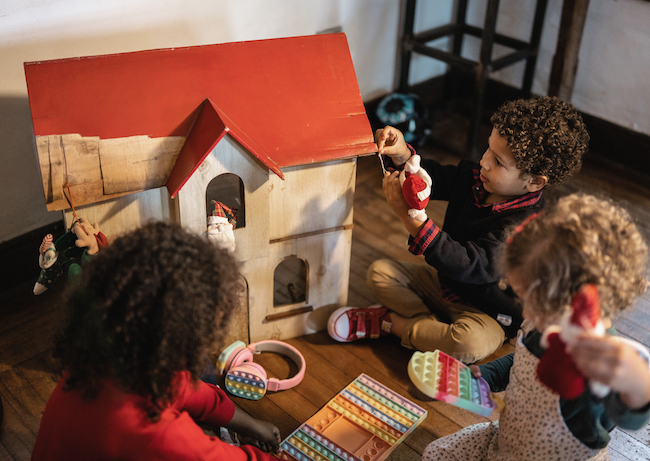
Sibling play can look like laughter echoing through the house one moment and tears the next. The same relationship that holds deep love and loyalty can also hold rivalry, frustration, and competition. For parents, it can feel exhausting to referee constant disagreements. Yet sibling dynamics are not a sign that something is wrong. They are a training ground. A place where children learn negotiation, boundaries, repair, and empathy in real time.
Peaceful play does not mean no conflict. It means creating an environment where children have the skills, structure, and emotional safety to move through conflict without it escalating into chaos. With gentle guidance and realistic expectations, sibling relationships can become one of the most powerful spaces for growth.
1. Set Up the Environment for Success
Many sibling conflicts are less about personality and more about overstimulation or competition. Too many toys, too little space, or unclear expectations can quickly lead to tension. Simplifying the play area, rotating toys, and creating clear shared spaces can reduce unnecessary triggers. Sometimes peaceful play begins with a calmer room.
2. Prepare Before Play Begins
A quick check in before siblings start playing can make a difference. You might say, I am going to let you play together. What is your plan? or What will you do if you both want the same toy? This gentle preparation encourages problem solving before emotions run high.
3. Avoid Jumping In Too Quickly
It is natural to want to stop conflict immediately. However, not every disagreement requires intervention. When safe to do so, give children space to negotiate. Hovering can sometimes escalate tension because children look outward for solutions instead of inward. Step in when voices rise significantly or someone feels unsafe, but allow small struggles to build resilience.
4. Teach Language for Conflict
Many arguments stem from not knowing how to express needs clearly. Model simple phrases such as I am still using that, Can I have a turn next, or I do not like that. Rehearsing these words outside of conflict helps children access them more easily during emotional moments.
5. Create Turn Taking Structures
Some children need tangible systems to feel secure. Using a timer for turns, having two of certain high interest items, or clearly defining shared versus individual toys can prevent repetitive arguments. Structure is not restrictive. It can create emotional safety.
6. Focus on Repair, Not Blame
When conflict happens, shift the focus from who started it to how to move forward. Ask questions like What happened? How did that feel? What could we try next time? This encourages accountability without shame. Sibling bonds strengthen most in moments of repair.
7. Protect Individual Time
Sometimes siblings clash because they are overstimulated by constant proximity. Ensuring each child has one on one time with a parent, and time to play independently, can reduce underlying tension. When children feel secure in their own connection, they are less likely to compete for it.
Sibling relationships are rarely perfectly peaceful, nor should they be. They are dynamic, layered, and constantly evolving. What matters most is not eliminating conflict but guiding children toward healthier ways of navigating it. With patience, boundaries, and steady modelling, siblings learn that disagreement does not mean disconnection.
Over time, what begins as squabbles over toys slowly becomes practice for future friendships, partnerships, and collaboration. Within the safety of family, children learn how to share space, express needs, and return to one another after hurt. That is peaceful play in its truest form.