

How to Use Music Therapy to Soothe Parental Anxiety and Overwhelm by Mia Barnes
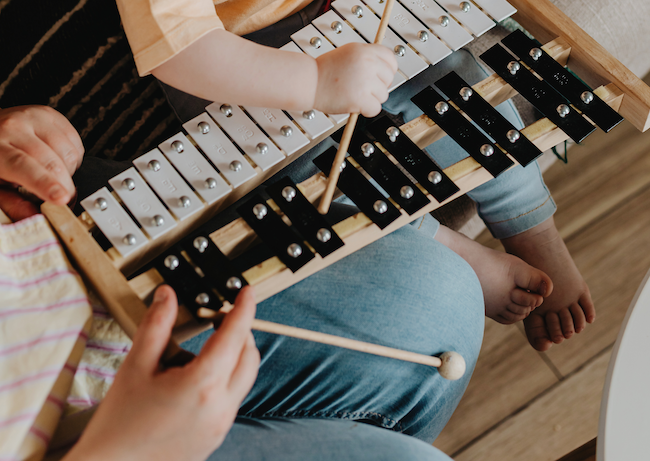
If you’re prone to parental anxiety on occasion, you're not alone. Thankfully, in situations like these, music can be a powerful ally in easing your worries. Exploring how you can integrate music therapy into your home life without any special training, just your love for tunes and a bit of creativity, can help you and your little ones feel more connected and at ease.
From calming playlists to spontaneous sing-alongs, consider how soothing melodies can make a difference to the stresses you carry around.
The Power of Music Therapy
Music therapy has a scientific influence on the limbic system, neuromatrix and descending pain modulatory system. Essentially, its influence on these large words reduces anxiety and elevates mood by lowering stress hormone levels. This encourages a slower heart rate and breathing pattern and increases the oxytocin hormone responsible for calming you and encouraging bonding. With these contributors in mind, it’s no wonder it helps to soothe parental anxiety. The beauty of music therapy lies in its accessibility.
Music therapy allows individuals to express themselves freely and helps to release difficult emotions. While you can work with a music therapist, there are accessible ways moms can experience the benefits of music therapy during their daily routines. Adding various types of music into your daily routine, whether calming playlists or fun sing-alongs, creates a therapeutic environment at home. These activities calm your mind and also foster a deeper emotional connection with your little ones, making your parenting journey brighter and more harmonious.
Music Therapy to Try at Home
Music therapy involving qualified therapists is ideal to assist you with several traumatic, stressful and developmental issues. However, you may find that applying home-practiced music therapy with your children is more suitable to soothe any instances of parental anxiety you’re experiencing. Here are some ways to try music therapy at home.
1. Tailoring Playlists for Relaxation
Creating specific playlists for different situations is a proactive way to use music therapy at home. Whether you choose calming tunes for bedtime or uplifting beats for playtime, tailored music can set the right mood to improve the time spent with your kids. For instance, picture a cozy evening where you and your child wind down together with soft classical music.
This soothing backdrop promotes relaxation and is a perfect accompaniment for bonding activities like reading or storytelling. Customized playlists can enhance emotional connections and cultivate a peaceful atmosphere, making moments spent together more special.
2. Relieving Stress by Singing Together
Singing is a natural and joyful way to alleviate stress, making it an excellent bonding activity for you and your children. Consider enjoying spontaneous sessions at home, where you can sing nursery rhymes, favorite pop songs or even silly improvised tunes together at the top of your voices. You’ll lift spirits and encourage a stronger sense of connection this way.
Imagine your little one grinning as you both joyfully sing the latest Disney hit, creating an environment of laughter and happiness. Such moments are a lot of fun, and they’re invaluable for reducing stress and strengthening family bonds. Studies show that introducing music therapy in neonatal scenarios results in improved mother-infant relationships, so the sooner you and your child develop a connection through music, the closer your bond will likely be.
3. Encouraging Movement and Rhythm
Incorporating movement with music is a vibrant way to alleviate stress while promoting physical activity. Dancing around the living room with your children will boost their energy levels and strengthen your emotional bond.
Imagine enjoying an impromptu dance party with your toddler, where you both let loose to your favorite songs. The laughter and joy you share in those moments can lift your spirits and create cherished memories. Turn up the volume, get your groove on and let the rhythm help you connect and unwind together.
4. Combining Mindfulness and Music
Utilizing music as a mindfulness tool can ground you during moments of anxiety. Engaging in guided imagery with calming tunes allows you to visualize peaceful scenes while enjoying the music. This practice helps clear your mind and significantly reduce your stress levels.
Take a few minutes to lie down with soft instrumental music playing gently in the background. Then, imagine a serene beach or tranquil forest to prompt a mini-vacation for your mind. This mindfulness technique offers a moment of tranquility amid the chaos of daily life.
5. Building Emotional Connections Using Music
Music is a powerful tool for building emotional connections and bonds between parents and children. Sharing musical experiences, whether by attending a concert together or enjoying a favorite song at home, can create a moment of true bonding and joy.
Consider establishing a tradition like “Music Fridays,” where you and your kids explore different genres or learn about various musicians together. This fun practice will introduce them to the world of music and strengthen your relationship, making it an enriching experience that cultivates shared memories and deeper emotional ties within your family.
Let the Music Play
Music therapy needn’t be a formal process. You can tap into its power from home to alleviate anxiety and enhance the bond with your children. Embrace the joy of music by cranking up the tunes and singing along together. Whether you’re dancing in the living room or creating playlists, these simple acts can transform your home’s atmosphere. Allow your loved ones to experience the beautiful synergy of the music, enriching your connections and making every moment more meaningful.
Mia Barnes is a professional freelance writer specializing in postpartum wellness and practical family health advice. She has over 5 years of experience working as Body+Mind magazine's Editor-in-Chief. You can follow Mia and Body+Mind on X and Instagram @bodymindmag.