

Teaching Responsibility Naturally
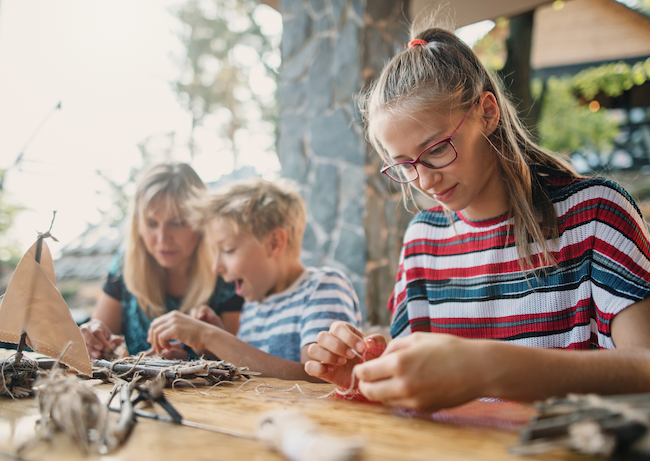
Responsibility is often thought of as something that needs to be taught directly, through rules, reminders, and expectations that children are encouraged to meet. Yet for many children, responsibility does not grow from being told what to do, but from being gradually included in the life that is already happening around them.
In family life, there are countless small, everyday moments where responsibility can begin to take shape. Putting shoes by the door, helping to carry groceries, clearing a plate after a meal, or remembering where belongings belong. These actions may seem simple, but over time they build a quiet understanding that each person has a role within the home. Children are naturally inclined to want to be involved. From a young age, they often show interest in what adults are doing, whether it is cooking, tidying, or caring for younger siblings. When this interest is welcomed rather than rushed or redirected, it becomes an opportunity for learning that feels meaningful rather than forced.
Teaching responsibility in this way is less about assigning tasks and more about inviting participation. When children feel that their contribution matters, they begin to take ownership in a way that feels internal rather than imposed. The focus shifts from completing a chore to being part of something shared.
There are gentle ways to support this kind of learning so it feels natural within the rhythm of the home:
Involve children in everyday tasks, allowing them to help in ways that feel manageable
Keep expectations realistic, adjusting tasks to suit their age and ability
Focus on effort rather than outcome, noticing their willingness to try
Offer guidance without taking over, allowing them to learn through doing
Create simple, predictable routines where responsibility becomes part of the day
Model responsibility through your own actions rather than relying on instruction
Allow mistakes to happen without turning them into something negative
Encourage independence by giving children space to complete tasks on their own
Keep language calm and supportive rather than directive or critical
Recognise small contributions so children feel seen and valued
As children begin to take on these small responsibilities, they also begin to develop a sense of competence. They see that they are capable of contributing, of helping, and of being part of something larger than themselves. This builds confidence in a way that is steady and lasting.
It is also important to recognise that this process takes time. There will be moments where children forget, lose interest, or resist altogether. These moments are not signs that something is not working, but part of the learning itself. Returning to consistency without pressure allows responsibility to grow gradually rather than being forced.
For parents, this approach often requires a shift in perspective. It can be quicker to do things ourselves, especially when time feels limited, but involving children, even when it takes longer, invests in skills that will support them over time. The goal is not immediate efficiency, but long term understanding. Over time, responsibility becomes less about what children are asked to do and more about how they see themselves within the family. They begin to recognise that their actions have an impact, that they are capable of contributing, and that they belong within the shared rhythm of the home. And in this way, responsibility is not something that needs to be enforced, but something that quietly grows through everyday life.