

Helping Children Find Calm in Their Bodies
Children experience the world through their bodies long before they are able to explain it through language. A racing heart before speaking in front of the class, tight shoulders after a disagreement with a friend, or restless energy that appears after a long day of sitting still are often the first signs that something inside them is shifting. These sensations can feel confusing or overwhelming when children do not yet understand what they mean. When we gently help children notice these signals and respond to them with care, we give them a foundation for emotional wellbeing that will support them far beyond childhood.
Many children are not naturally taught how to recognise their internal state. When frustration, anxiety, or overwhelm builds, it often shows up through behaviour rather than clear communication. A child may suddenly become louder, more reactive, or withdrawn, not because they are trying to be difficult but because their body is carrying more emotion than it knows how to release. Helping children find calm in their bodies is not about stopping these feelings from happening. It is about giving them the awareness and tools to move through those moments with greater ease.
The first step is helping children develop awareness of what is happening inside them. Our bodies are constantly sending signals that reflect our emotional state, yet children often need guidance to notice these clues. You might gently point out that their heart feels fast when they are nervous, or that their tummy feels tight when they are worried. Over time, these small conversations help children build a language for their inner world, allowing them to recognise feelings before they become overwhelming.
Movement is often one of the most natural pathways back to calm for children. Their bodies are designed to regulate through action rather than stillness, which is why running, jumping, climbing, stretching, or even shaking out their arms can release tension so effectively. When a child has spent hours sitting at school or focusing intensely, physical play becomes a way for their nervous system to reset. Sometimes what looks like restless energy is simply the body asking for movement.
Breathing can also become a powerful and accessible tool, particularly when it is introduced in a playful and gentle way. Slow, steady breaths signal to the nervous system that it is safe to relax, helping the body shift out of a heightened emotional state. Practicing together during calm moments can make breathing feel familiar and comforting when emotions run high. Children often respond well to simple imagery, such as pretending to smell a flower as they breathe in and blowing out candles as they breathe out.
Sensory experiences can offer another pathway to calm, especially for children who feel easily overwhelmed by busy environments. Soft lighting, gentle music, drawing, playing with clay, or stepping outside for a few quiet minutes in fresh air can help the body settle without requiring a child to force calm. These slower activities allow the nervous system to gradually shift back into balance.
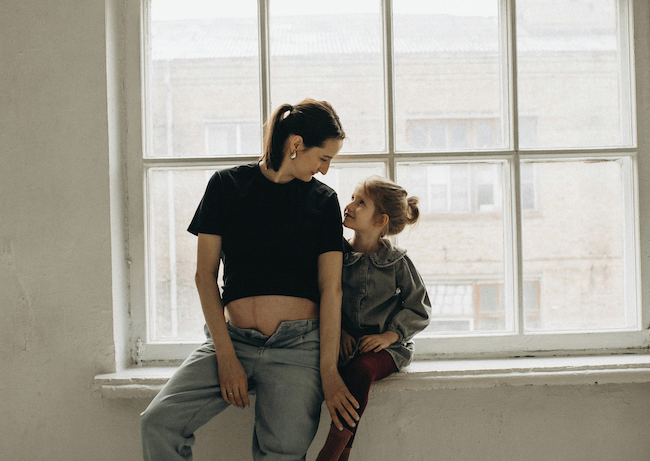
Perhaps the most powerful support children have is the presence of a calm adult beside them. Children borrow emotional regulation from the people who care for them, and the steady presence of a parent can help their bodies feel safe enough to settle. When we slow our own breathing, soften our voice, or sit quietly with a child during a difficult moment, we are offering more than comfort. We are modelling what calm can look and feel like.
Learning to find calm in the body is not something that happens instantly. It develops gradually as children practice noticing their feelings, moving their bodies, breathing slowly, and returning to activities that help them settle. With time and repetition, these experiences build confidence in their ability to navigate big emotions.
The goal is not to prevent children from feeling deeply or to make difficult emotions disappear. Instead, it is to help them trust that their bodies can move through these feelings safely, and that calm is something they can always return to. When children learn to listen to their bodies and respond with care, they carry with them a quiet sense of steadiness that will support them throughout their lives.