

The Emotional Side of Postpartum: What New Mothers Should Know by Sowania Germain
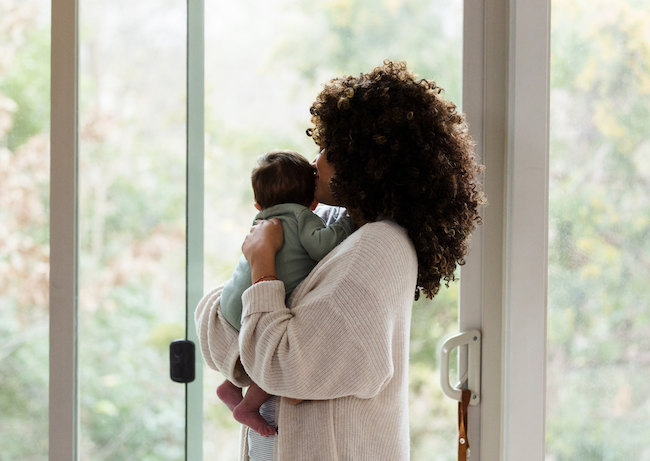
There is a version of postpartum everyone talks about... the sleepless nights, the healing body, the steep learning curve of a brand new baby. And then there is the version that rarely makes it into the baby books, the one I hear about every single day in my office.
The moment you catch yourself resenting the person you love most in the world. The guilt that creeps in when you finally get five quiet minutes and spend them crying instead of resting. The quiet fear that something must be wrong with you, because motherhood was not supposed to feel like this.
I have offered therapy for moms navigating postpartum and birth trauma since 2011, and if there is one thing I want you to hear today, mama, it is this... what you are feeling is far more common than the silence around it suggests. And it deserves real care, not just a gentle push to keep going.
Postpartum Is Not Just the Baby Blues
Most of us have heard of the baby blues, that wave of tearfulness and overwhelm in the first couple weeks after birth. Far fewer of us have heard of the full range of postpartum mood and anxiety disorders, often called PMADs, that can show up in the weeks and months that follow. Postpartum depression. Postpartum anxiety. Postpartum OCD. Postpartum PTSD after a birth that left you shaken.
None of these are signs of weakness or a lack of gratitude for your baby. They are real, treatable experiences shaped by hormonal shifts, sleep deprivation, identity upheaval, and sometimes unresolved trauma from the birth itself. You can love your baby with your whole heart and still be struggling in ways that need more than "this too shall pass."
The Feelings No One Warns You About
In session, I hear the same undercurrents again and again, even from mothers who look like they have it all together from the outside.
The grief for the body, the freedom, the version of life that existed before. The anger that surfaces faster than it ever did, toward a partner, toward well meaning relatives, toward the sheer relentlessness of it all. The intrusive thoughts that feel frightening and confusing, the ones you are almost too afraid to say out loud for fear of being judged. The loneliness that can exist even in a house full of people who love you.
None of this means you are broken. It means you are human, moving through one of the most demanding transitions a person can go through, often with far less support than this season actually calls for.
When Birth Itself Was the Wound
For some mothers, the emotional weight of postpartum is tangled up with what happened during labor and delivery. A birth that felt out of control. Medical complications. Not being heard by your providers when it mattered most. An emergency that unfolded faster than you could process. These experiences can leave your nervous system on high alert long after your body has healed.
This is birth trauma, and I want you to know it is treatable. Approaches like EMDR, which stands for Eye Movement Desensitization and Reprocessing, are specifically designed to help your brain and body finally process what happened so it stops intruding on your sleep, your sense of safety, and your ability to bond with your baby. You do not need to relive every detail out loud in order to heal from it.
What I Wish Every New Mother Knew
Your instincts and your mental health are not the same conversation. You can be a deeply attentive, loving mother and still need support regulating your own emotional world. One does not cancel out the other.
Naming it early changes everything. The mothers who reach out in month two tend to have a very different experience than those who wait until month eight, simply because support had more time to do its work.
You are allowed to want yourself back, not just your baby's wellbeing. Postpartum care that only focuses on the infant misses half the picture. Who you are becoming in this season matters too.
Reaching out is not a last resort. A therapist who specializes in perinatal mental health can help you make sense of what is happening, put language to feelings that have felt unspeakable, and offer you tools that go beyond "sleep when the baby sleeps," true as that advice may be.
If you are in the thick of this season and something in this article felt uncomfortably familiar, let that recognition mean something. You do not have to wait until things feel unbearable to ask for help. Early support is often the difference between surviving postpartum and actually feeling like yourself again inside of it.

Sowania Germain is a licensed mental health counselor, psychotherapist, and certified perinatal mental health specialist who has been working in the mental health field since 2008. She has supported women and mothers through postpartum depression, birth trauma, anxiety, relationship challenges, and the emotional complexities of motherhood. Sowania is a certified EMDR therapist and trained in Imago couples therapy, bringing both clinical expertise and a warm, relational perspective to her work with women, mothers, and couples. She is the founder and owner of a group practice and The Reclaimed Mother, a practice and coaching space dedicated to helping women heal from the parts of motherhood they may not have been prepared for. Her approach is compassionate, trauma-informed, and grounded in the belief that healing does not mean forgetting what happened—it means learning to carry it differently. Through her work, Sowania helps women move from survival toward greater self-understanding, connection, confidence, and wholeness. Sowania provides therapy virtually across Florida and New York, supporting clients as they navigate life transitions, emotional challenges, relationships, and their journey toward healing.
Learn more or schedule a free consultation at www.SowaniaGermainLMHC.com, connect on Instagram @themamatherapist_, Facebook, or find her practice on Google in New York and Florida.