

Creating Relaxed Mealtime Rhythms
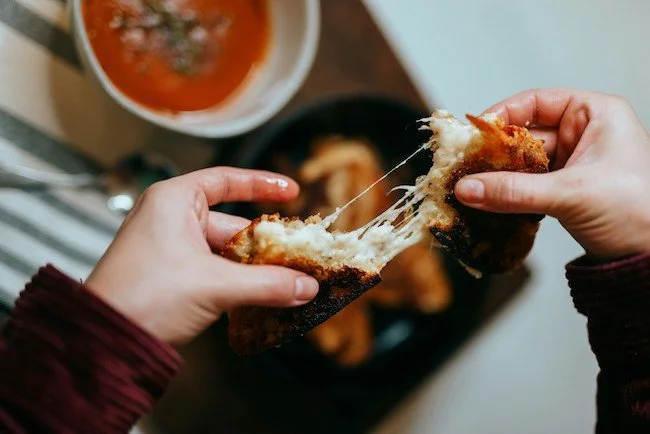
By the time dinner arrives, most families have already lived an entire day. Children have navigated classrooms, friendships, expectations, loud playgrounds and constant transitions. Parents have worked, driven, remembered appointments, answered questions, packed bags, folded washing, replied to messages and somehow found the energy to think about what everyone might eat that evening. It isn’t surprising that the table sometimes becomes the place where all of that unfinished energy quietly arrives.
Sometimes everyone arrives at the table talking at once. Sometimes nobody feels like talking at all. A child is still thinking about something that happened at school, another is disappointed that their favourite bowl is already in the dishwasher, and a parent is mentally running through everything that still needs to happen before bedtime. We often imagine family meals as the point where the day slows down, but for many households they are actually where all of the day’s unfinished feelings quietly meet. It isn’t surprising, then, that mealtimes can begin to feel heavier than they need to.
Somewhere along the way, many of us have absorbed the idea that a successful family meal should look a certain way. Children should sit happily. Everyone should eat the same food. New vegetables should be welcomed with enthusiasm. There should be meaningful conversation, good manners, gratitude, connection. Those are lovely things when they happen naturally, but they can also become expectations sitting quietly in the background of every dinner, making ordinary evenings feel as though they are somehow falling short.
Children rarely experience meals through that lens. They are usually paying attention to something much simpler. Does this feel safe? Is there time? Can I listen to my own body? Am I allowed to dislike something without disappointing anyone? Can I simply enjoy being here?
When the emotional atmosphere around the table becomes calmer, food often follows. Not immediately, and not perfectly, but gradually. A child who has never liked mushrooms may still leave them untouched, yet they might happily tell you about the caterpillar they found at school. Another may only eat the rice but stay sitting at the table because the conversation feels enjoyable. It can be tempting to measure a meal by what was eaten, when sometimes the more meaningful question is whether everyone left the table feeling connected enough to come back tomorrow.
Preparing dinner can become part of that rhythm too, although not because every child needs to help cook. Some children genuinely love chopping herbs or stirring pancake batter, while others are happier pulling up a stool and simply watching. Both are participating. There is something quietly reassuring about children seeing meals take shape instead of appearing as if by magic. They begin to understand that food is not just something served to them, but something created, shared, adjusted, occasionally burnt, laughed about, and enjoyed together.
Children generally become more willing to explore food when meals stop feeling like evaluations. They become more curious when curiosity isn’t demanded of them. It sounds almost contradictory, but so much around food seems to soften once pressure quietly leaves the room.
That doesn’t mean mealtimes will suddenly become peaceful every evening. There will still be spilled drinks. Someone will insist their pasta is touching the salad. A toddler will ask to leave the table after three minutes while an older sibling decides tonight is the perfect night to debate why vegetables exist at all. Those moments are simply part of family life, and perhaps expecting otherwise is what creates so much unnecessary frustration.
The meals children remember years later are rarely memorable because everyone ate perfectly. They remember pancakes on rainy Saturday mornings because nobody was rushing anywhere. Soup on winter evenings when the windows fogged up. Homemade pizza where everyone chose ridiculous toppings. Watermelon eaten outside because it was too messy for indoors. The memory settles around the feeling rather than the menu.
Looking back, most of us probably couldn’t tell you exactly what was served on an ordinary Tuesday night when we were eight years old. We remember who sat beside us. We remember laughter that started over something completely insignificant. We remember asking for another helping of mashed potatoes, or being allowed to grate cheese, or the comfort of knowing that no matter what kind of day we’d had, everyone eventually found their way back to the same table.