

10 Easy Flowers Children Can Grow From Seed
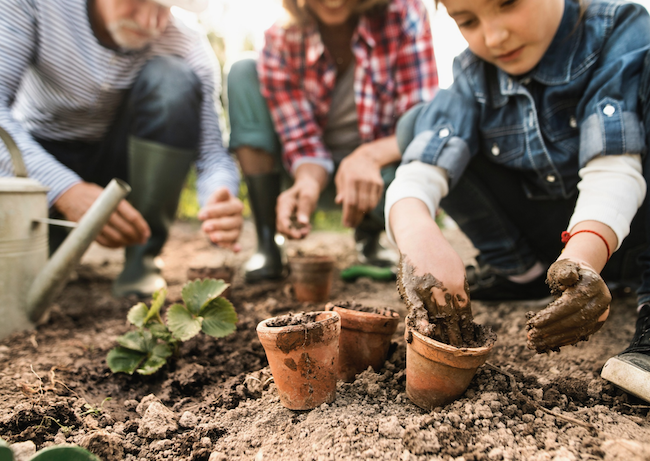
A combination of curiosity and great excitement follows giving a child a packet of flower seeds. The seeds themselves look almost too small to possibly become anything impressive, which makes the eventual appearance of the first green shoots feel a little bit magical. Suddenly the patch of soil beside the fence or the pot on the balcony has become something worth checking every morning, with children peering closely at the surface to see whether anything has changed overnight.
Growing flowers from seed is also a lovely way to introduce children to gardening because the process is tangible from beginning to end. They can make the hole, drop in the seed, cover it with soil, water it and then wait. There is plenty to notice along the way, from the first tiny leaves to the changes in height, colour and shape as the plant develops, and children get to experience the satisfaction of caring for something that cannot be hurried along simply because they are excited to see it bloom.
Some flowers are particularly forgiving for little gardeners, making them a good place to start. The best choices tend to be seeds that are relatively easy to sow, grow readily and produce a visible result, although growing times and planting conditions will vary depending on where you live and the season.
1. Sunflowers
Sunflowers are almost made for gardening with children. The seeds are large enough for little hands to handle easily, the plants grow quickly in the right conditions and watching the stems become taller and taller gives children something obvious to follow. Some varieties can eventually tower above them, which makes the final result especially exciting. Plant sunflower seeds directly into the ground or a large pot in a sunny position once the risk of frost has passed. Give them plenty of room and keep the soil watered while they establish. Children can measure the plant every week and keep a little record of how much it has grown.
2. Nasturtiums
Nasturtium seeds are relatively large and easy for children to plant, and the plants produce cheerful flowers in warm shades of orange, yellow and red. They are particularly useful for children who want something that feels productive because they can grow happily in garden beds or containers and don't require an elaborate setup. Give them a sunny to partly shaded spot and reasonably well-drained soil. Once the flowers appear, children can watch for bees and other pollinators visiting the garden, adding another layer of interest to the experience.
3. Marigolds
Marigolds are cheerful, hardy little flowers that can make a garden feel colourful fairly quickly. Their seeds are easy to sow and the plants are generally straightforward for beginner gardeners, making them a good option for children who are still learning the basics of watering and caring for plants. Sow the seeds in a sunny position and keep the soil lightly moist while they germinate. Once established, they are relatively low maintenance, which means children can take responsibility for checking on them without needing to manage a particularly delicate plant.
4. Zinnias
Zinnias are a wonderful choice when the goal is lots of colour. Their flowers come in a wide range of shades and shapes, and children can watch the plants develop from small seedlings into generous flowering plants over the warmer months. Zinnias prefer plenty of sunlight and well-drained soil. Seeds can generally be sown directly once conditions are warm enough, and giving each plant enough space allows it to grow into a fuller shape. They also make lovely cut flowers, so children can eventually bring a few indoors and see their garden become part of the home.
5. Cosmos
Cosmos have delicate, daisy-like flowers and tall, airy stems that move beautifully in the garden. They are a good option for children because they don't require much fuss once established, and the plants can produce plenty of flowers from relatively little effort. Sow them in a sunny spot and avoid excessively rich soil, which can encourage lots of leafy growth at the expense of flowers. Children can watch the first buds appear and then keep an eye out for butterflies and bees visiting once the blooms open.
6. Sweet Peas
Sweet peas are particularly rewarding because they offer more than colour. Their flowershave a lovely fragrance, giving children another sensory experience as they watch the plants develop. The seeds are also fairly substantial and easy to handle, although young children may need help with the planting depth. Sweet peas generally prefer cooler conditions and benefit from something to climb, such as a trellis or simple support. Once the vines begin winding their way upwards, children can help guide them and watch the plant gradually transform its surroundings.
7. Calendula
Calendula produces warm yellow and orange flowers and is another approachable choice for young gardeners. The seeds are easy to sow and the plants can tolerate a range of conditions, although they generally do best with plenty of sunlight and soil that drains well.
Children can harvest the spent flowers with supervision, which also provides an opportunity to explain the idea of deadheading and how plants continue producing flowers. Leaving some blooms to go to seed can be interesting too, allowing children to see the complete cycle rather than treating flowering as the final stage.
8. Poppies
Poppies are wonderfully delicate once they bloom, but the plants themselves can be surprisingly easy to grow from seed when the conditions are right. The seeds are tiny, so this is one for children who are old enough to handle them carefully or for an adult to help with the sowing. Many poppies prefer to be sown directly where they are going to grow because they don't always enjoy being transplanted. Choose a sunny position and follow the instructions for the particular variety you are growing, as planting times vary. Watching the buds gradually open can be particularly rewarding after the long wait.
9. Cornflowers
Cornflowers produce striking blue flowers and are an excellent addition to a garden designed to attract pollinators. They are generally straightforward to grow from seed and can be sown directly into the garden in suitable conditions. Children can scatter or sow the seeds according to the packet instructions, water them and then watch for the seedlings to emerge. Once flowering begins, the bright blooms make it easy to see why growing something from a tiny seed can become such a satisfying project.
10. Sweet Alyssum
Sweet alyssum is a smaller flower, making it particularly useful for pots, borders and little garden spaces. It produces clusters of tiny flowers and has a sweet fragrance that children can discover once the plants begin blooming. The seeds are small, so younger children may need some help with sowing, but the plants themselves can be rewarding to grow. Place them somewhere with good light and keep the soil appropriately moist while they establish, then let children take responsibility for checking whether they need water.
Growing flowers from seeds gives children something that many everyday activities don't: a reason to return to the same place and pay attention to what has changed. They get to see that growth isn't always obvious from one day to the next, while also learning that a little care, consistency and patience can eventually turn something almost insignificant into a garden full of colour. And when the first flowers finally arrive, there is usually a great deal of excitement over something that an adult might have considered very small. That is part of the appeal. A child doesn't need a huge garden or an ambitious horticultural project to feel connected to the process. One pot, a handful of seeds and enough time to watch what happens can be plenty.