

10 Childhood Experiences That Cost Nothing
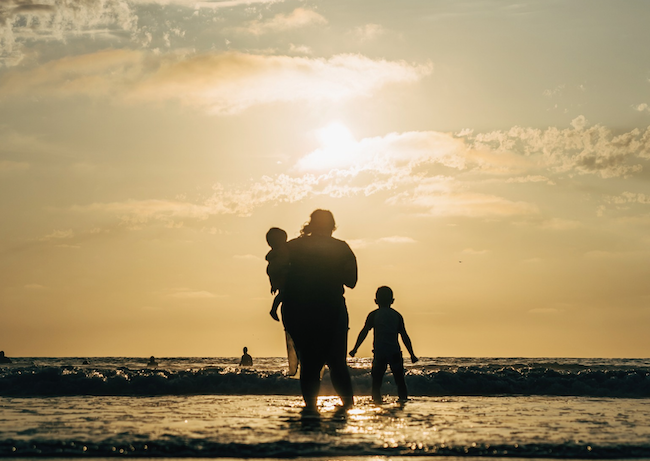
Some of the childhood experiences that stay with us for years are remarkably ordinary. They happen in backyards, on walks, in kitchens and on evenings when nobody had made a plan. A child can spend an entire afternoon building something from a cardboard box or watching ants carry crumbs across the pavement, completely absorbed in a world that hasn't required a ticket, a booking or a carefully planned itinerary. For families trying to make childhood feel full without constantly spending money on activities and entertainment, this can be a useful reminder. Children need opportunities to explore, imagine, contribute, wander and spend time with the people they love. Many of those experiences are already available in the everyday world around them.
1. Camping in the backyard
A tent in the backyard can create an entirely different atmosphere without requiring a trip anywhere. Children can bring sleeping bags, books, torches and snacks outside, spend the evening looking at the stars and listen to all the sounds that usually disappear behind the walls of the house. Even if everyone eventually ends up back in their own beds, the adventure still counts.
2. Making a cubby house
Give children some old sheets, blankets, cushions and chairs and let them work out what to build. A cubby can become a reading nook, a restaurant, a spaceship, a veterinary clinic or a house for every stuffed animal in the collection. The building process is often as entertaining as whatever happens once the structure is finished, particularly when children have complete control over what it becomes.
3. Going on a nature walk
A walk becomes a different experience when the destination isn't the focus. Children can collect fallen leaves, look for interesting stones, listen for birds, search for insects or notice how many different kinds of trees grow along the same street. You don't need a special trail or a national park. A neighbourhood walk can provide plenty of things to investigate if everyone slows their pace enough to notice them.
4. Watching the sunrise or sunset
Choose an evening when everyone can stay up a little later, find a good spot and watch the sky change together. Older children may enjoy taking photographs, while younger ones can look for shapes in the clouds or notice how the colours change from one minute to the next. Sunrise can be equally memorable for an early riser who is willing to make the effort, especially when the rest of the house is still asleep.
5. Having a living-room dance party
Put on a playlist everyone knows and let the furniture become the dance floor. Children often have absolutely no concern about whether anyone looks coordinated, which makes them excellent company for this particular activity. A spontaneous dance session can turn a rainy afternoon or an otherwise ordinary evening into something the whole family remembers.
6. Making a treasure hunt
Hide a few objects around the house or garden and write simple clues for children to follow. The treasure can be something they already own, a handwritten note or the privilege of choosing the next family game. Older children can create the clues themselves, turning the activity into a game they design for younger siblings or parents.
7. Having a picnic on the floor
Dinner doesn't always need to happen at the table. Put a blanket down in the living room or backyard, spread out whatever food you already have and let everyone eat picnic-style. Children often love the novelty of changing the setting, and parents get to enjoy the fact that absolutely no special picnic equipment is required.
8. Making something from the recycling bin
Cardboard boxes, paper tubes, egg cartons and packaging can become robots, buildings, boats, masks, instruments or elaborate machines that have a very specific function known only to their creator. Keep some clean recyclable materials aside and let children decide what to make. The lack of instructions is part of the fun because they have to invent the project as they go.
9. Looking through old family photos
Pull out photographs from when the children were babies or from your own childhood and let everyone look through them together. Children often have endless questions about people, places and events they don't remember, and parents get the chance to tell the stories behind the pictures. Even a phone camera roll can work for this, particularly when you stumble across photographs that had completely disappeared from everyone's memory.
10. Letting the day unfold
A completely unplanned day can be surprisingly exciting for children when they have enough space to decide what happens next. They might make breakfast, spend an hour drawing, build something outside, wander around the neighbourhood, read on the sofa and invent a game before dinner. Adults may find the lack of structure slightly uncomfortable at first, but children often become remarkably resourceful when they have time to follow their own ideas.
Childhood doesn't need to be filled with expensive outings to feel rich in experiences. A backyard, a kitchen table, a pile of cardboard, a patch of grass or an evening spent watching the sky can provide hours of entertainment when children have the freedom to explore them. The memories that grow from these moments often come from the feeling of having had time, attention and room to be a child, which is something no shopping trip can really replicate.